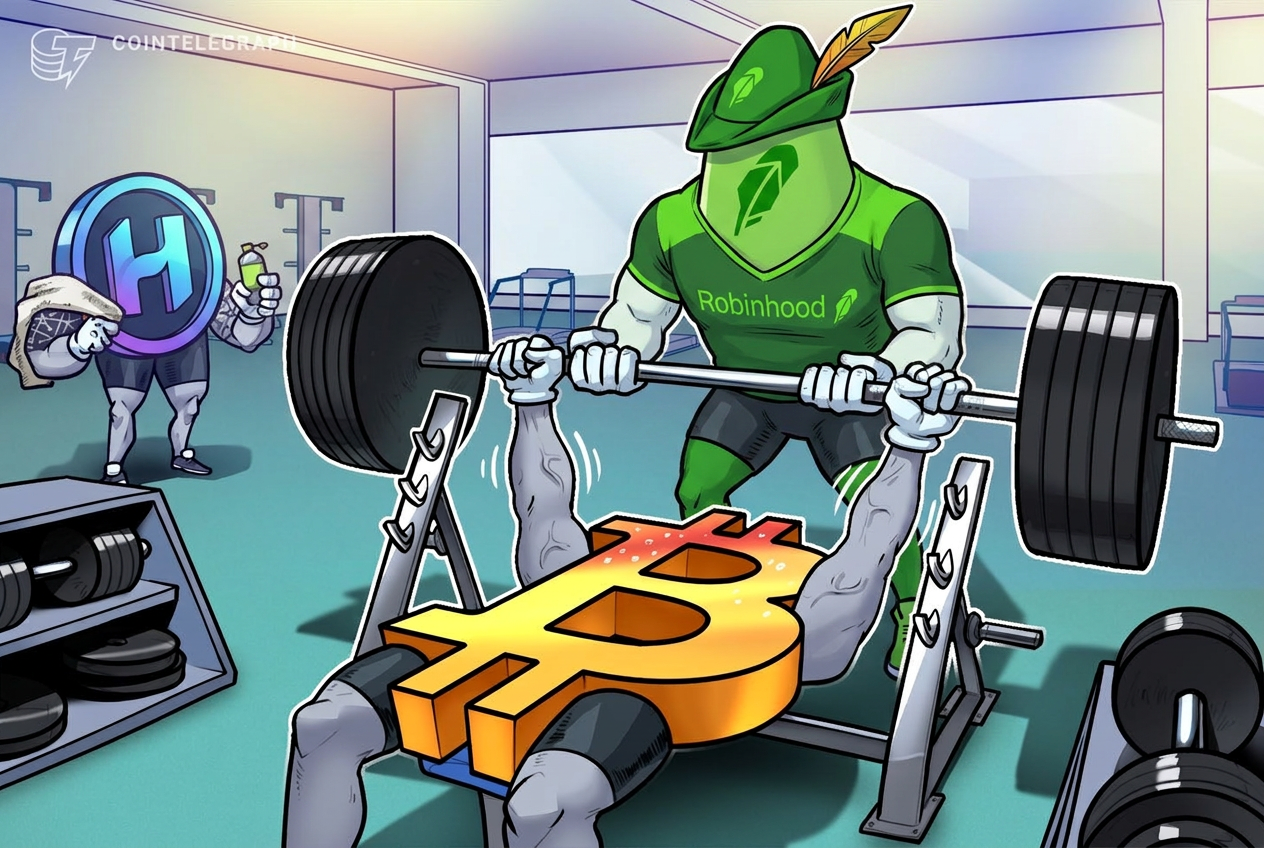
What is driving the next crypto bull market?
The next major crypto rally is likely to be driven less by novelty and more by distribution. New trading venues such as Hyperliquid and Robinhood’s crypto expansion could pull in a broader wave of users, liquidity, and speculation, creating the kind of market structure that tends to lift Bitcoin and Ether first.
That matters because bull markets are rarely powered by one catalyst alone. They usually emerge when easier access, stronger market sentiment, and rising on-chain and off-chain activity reinforce each other. If these platforms succeed in bringing more retail and active traders into crypto, they may help create the conditions for the next sustained leg higher.
How do Hyperliquid and Robinhood affect Bitcoin demand?
They matter because they lower friction. When trading becomes simpler, faster, and more familiar, more capital can flow into crypto without requiring users to migrate to niche exchanges or manage complex self-custody workflows.
Hyperliquid has become a notable name in on-chain trading because it combines a highly active derivatives experience with a crypto-native user base. That makes it a useful signal for speculative appetite. Meanwhile, Robinhood offers a mainstream gateway to financial markets, with a user base already accustomed to trading stocks, options, and ETFs. If its crypto offering deepens, it could help bridge the gap between traditional retail finance and digital assets.
For Bitcoin, that combination is important. Bitcoin typically acts as the first asset to benefit when new entrants look for the largest, most liquid, and most recognizable crypto exposure. Ether often follows as traders seek higher-beta upside and broader ecosystem participation.
Why does this matter for traders?
It matters because crypto bull markets are often led by liquidity expansion and market access, not just by narrative alone. If more users can trade Bitcoin and Ether on platforms they already trust, incremental demand can have an outsized effect on price, especially after periods of compressed volatility.
There are three key reasons traders should pay attention:
- Distribution reaches new users: Mainstream platforms can introduce crypto to investors who would not otherwise open a dedicated exchange account.
- Liquidity deepens: More participation usually means tighter spreads and more resilient order books, which can support faster price discovery.
- Speculation broadens: Once users are active in Bitcoin, they often rotate into Ether and higher-risk tokens, amplifying total market momentum.
That said, the effect is not automatic. A strong platform launch does not guarantee a bull market unless it is paired with improving macro conditions, stable liquidity, and sustained risk appetite across financial markets.
What role does Bitcoin play in a broader market rebound?
Bitcoin is usually the first beneficiary of renewed crypto enthusiasm because it is the most liquid, institutionally recognized, and widely held digital asset. When capital returns to the sector, BTC often acts as the benchmark trade before investors move into Ether and eventually smaller altcoins.
This leadership dynamic is important. In the last several crypto cycles, Bitcoin has served as the gateway asset for both retail and institutional investors, especially when macro uncertainty is easing and investors are looking for asymmetric returns. If new trading platforms like Hyperliquid and Robinhood attract fresh participation, Bitcoin could see the earliest and most durable inflows.
Bitcoin’s role is also supported by its scarcity narrative. With a fixed supply schedule and an established reputation as “digital gold,” BTC remains the asset most likely to absorb large-scale inflows from new or re-entering market participants.
How could Ether benefit alongside Bitcoin?
Ether often benefits when crypto markets shift from simple store-of-value themes toward broader ecosystem growth. If new users enter through mainstream or high-velocity trading platforms, they often begin with Bitcoin and then expand into Ether as confidence rises.
Ether’s appeal lies in its central role in decentralized finance, stablecoin settlement, tokenization, and smart contract activity. That means a broader bull market can improve both speculative demand and network usage expectations. In practice, BTC may lead the move, but ETH can outperform if traders start pricing in renewed activity across the wider crypto economy.
What are the risks to this bullish setup?
The biggest risk is assuming that new trading venues alone can manufacture a cycle. History shows that market structure improves only when liquidity, confidence, and risk tolerance align. If macro conditions weaken, rates rise, or risk assets sell off broadly, crypto access alone may not be enough to sustain momentum.
Another concern is that platform growth can be uneven. Some users may trade actively without adding net capital to the market, which means volume can rise faster than genuine investment demand. In that scenario, Bitcoin may see short bursts of upside without a lasting trend.
There is also regulatory risk. Robinhood’s crypto business operates within a highly watched framework, and any shift in enforcement or product availability could affect how much momentum it contributes. Hyperliquid, meanwhile, must continue proving that on-chain derivatives can scale without losing the speed and reliability traders expect from top-tier venues.
What should investors watch next?
Investors should focus on whether these platforms translate attention into sustained activity. The most useful indicators are not just price charts, but the quality of participation across Bitcoin, Ether, and derivatives markets.
- Trading volumes: Rising volumes can signal genuine user engagement and better liquidity.
- Open interest: Expanding derivatives positioning often precedes larger directional moves.
- New user growth: Evidence that mainstream platforms are onboarding fresh participants can signal a broader market base.
- BTC/ETH leadership: If Bitcoin strengthens first and Ether follows, that often confirms a healthier risk cycle.
For traders, the key question is whether this cycle becomes more accessible than previous ones. If the next wave of demand is driven by products and platforms that are easier for mainstream users to adopt, the rally may be broader, more durable, and less dependent on pure speculation in the fringes of the market.
Bottom Line
Hyperliquid and Robinhood could matter because they expand crypto access, improve liquidity, and widen the pool of active traders. Those conditions have historically supported Bitcoin-led bull markets, with Ether often following as risk appetite deepens.
The real test is whether platform growth translates into sustained capital inflows rather than just higher trading activity. If it does, Bitcoin may indeed get the lift traders are watching for in the next major crypto cycle.