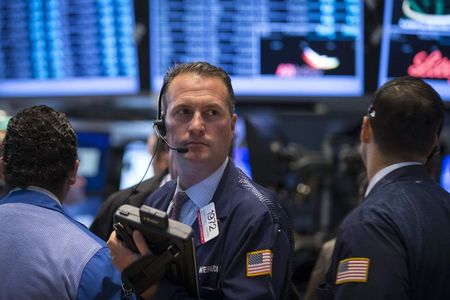
Markets Wake Up to a Fresh Geopolitical Shock
US stock futures fell as investors reacted to renewed threats of additional strikes against Iran, even as diplomatic channels remain open. The move reflects a familiar but powerful market dynamic: when military escalation and peace negotiations move in parallel, traders tend to price the risk first and wait for clarity later.
The immediate pressure on futures is less about one headline and more about the possibility that a contained confrontation could broaden into a more disruptive regional crisis. For equity markets already balancing elevated valuations, questions around Federal Reserve policy, uneven earnings growth, and a still-sensitive inflation backdrop, another shock to energy prices is not a minor concern. It goes directly to margins, consumer purchasing power, interest-rate expectations, and global risk appetite.
Why Iran Risk Matters So Much to Markets
Iran sits at the center of one of the most strategically important energy corridors in the world. The Strait of Hormuz, located between Iran and Oman, is a critical transit route for global oil and liquefied natural gas flows. Roughly one-fifth of the world's petroleum liquids consumption passes through or near the waterway, making even the threat of disruption enough to lift crude prices and pressure equities.
Markets do not need an actual blockade to respond. Insurance costs, shipping delays, precautionary inventory building, and speculative buying can all move energy prices quickly. If Brent and WTI crude rise sharply, investors begin to reassess inflation assumptions. That matters because a higher oil price can work like a tax on consumers and a cost shock for businesses, particularly airlines, transport firms, chemicals producers, retailers, and manufacturers.
The stock market's reaction is therefore rational: geopolitical risk may be hard to model, but energy-driven inflation is not. If oil spikes and stays elevated, the path to lower interest rates becomes more complicated. Higher rates, or fewer expected cuts, generally put pressure on long-duration growth stocks and richly valued market segments.
Equity Futures Signal a Classic Risk-Off Rotation
The decline in US futures points to a broader risk-off trade. In these episodes, investors typically reduce exposure to cyclical equities and high-multiple growth names while seeking safety in the US dollar, Treasuries, gold, and defensive sectors. The magnitude of the move will depend on whether the threat is viewed as a negotiating tactic, a limited military posture, or the start of a wider conflict.
For now, the market appears to be moving from complacency toward caution. That distinction is important. A modest futures decline does not necessarily signal a full correction, but it does show that investors are demanding a higher risk premium. When geopolitical uncertainty rises, valuation multiples tend to compress first, especially in parts of the market where good news is already priced in.
Large-cap technology remains a key area to watch. The sector has been a dominant driver of index returns, and many mega-cap names trade with high expectations for earnings durability. These businesses are not usually direct casualties of Middle East tensions, but they are sensitive to discount rates and risk appetite. If Treasury yields rise because energy inflation expectations increase, growth stocks may face renewed pressure.
Oil, Defense, and Safe Havens Move to the Forefront
Several market segments are likely to draw immediate attention from active traders:
- Energy stocks: Integrated oil majors, exploration and production firms, and oilfield services companies may benefit from higher crude prices, although the gains can be uneven if investors fear demand destruction.
- Defense contractors: Aerospace and defense shares often outperform during periods of military tension as investors anticipate higher security spending, replenishment orders, and geopolitical prioritization.
- Airlines and transports: These groups are vulnerable to rising fuel costs and weaker travel sentiment, making them common underperformers during oil shocks.
- Gold and precious metals: Gold often attracts safe-haven flows when geopolitical uncertainty rises, particularly if investors lose confidence in risk assets.
- US dollar and Treasuries: The dollar typically benefits from global risk aversion, while Treasuries can rally if investors seek safety, though inflation fears can complicate that response.
The most nuanced area is oil equities. Higher crude prices can lift revenue expectations, but a severe geopolitical shock can also raise the probability of global growth slowing. Energy stocks tend to perform best when oil rises because of supply discipline or moderate disruption, not when the market fears a broad war that could damage demand and financial conditions.
The Fed Angle: Inflation Risk Returns
Investors should not ignore the central-bank implications. The Federal Reserve's job becomes harder when energy prices rise for reasons unrelated to domestic demand. Policymakers can look through temporary oil shocks, but they cannot ignore a sustained rise that feeds into inflation expectations, transport costs, and consumer behavior.
If traders were expecting a more accommodative Fed stance, a Middle East-driven oil shock could challenge that assumption. Equity markets have often rallied when investors see a clear path toward lower rates. A renewed inflation threat interrupts that narrative. Even if core inflation is not immediately affected, headline inflation matters politically and psychologically because households see gasoline prices directly.
This is why futures can decline on geopolitical headlines even before economic data changes. Markets are forward-looking. They do not wait for higher pump prices or weaker earnings guidance to adjust.
Peace Talks Create a Binary Market Setup
The coexistence of peace talks and strike threats creates a highly unstable short-term trading environment. If diplomacy shows credible progress, risk assets could rebound quickly as short sellers cover and investors rotate back into equities. If rhetoric hardens or military action expands, the selloff could deepen, particularly in the most valuation-sensitive parts of the market.
This makes the next several sessions important for price action. Watch whether the S&P 500 and Nasdaq futures recover intraday losses or close near session lows. Also watch crude oil's reaction. If equities fall but oil barely moves, investors may be treating the headline as noise. If oil surges while equities weaken, the market is pricing a more serious inflation and supply-risk scenario.
Credit spreads are another important signal. Equity investors often focus on index futures, but the corporate bond market can provide a cleaner view of stress. If high-yield spreads widen meaningfully, that would suggest investors are moving beyond headline caution and beginning to price a broader tightening of financial conditions.
How Retail Investors Should Think About the Move
For long-term investors, the key is to avoid overreacting while still respecting the risk. Geopolitical selloffs can reverse quickly when tensions ease, but they can also accelerate if uncertainty spreads into energy, inflation, and credit markets. A disciplined portfolio approach is more useful than trying to predict the next headline.
Investors may want to review exposure to highly cyclical stocks, crowded momentum trades, and companies with significant fuel or input-cost sensitivity. At the same time, panic selling broad-market positions after futures decline is rarely a strong strategy unless the original allocation was too aggressive.
A balanced response could include maintaining quality equity exposure, holding some cash for volatility, and ensuring diversification across sectors. Companies with strong balance sheets, pricing power, and resilient free cash flow generally handle geopolitical shocks better than firms dependent on cheap capital or fragile consumer demand.
Bottom Line
The slide in US stock futures reflects more than a knee-jerk reaction to political rhetoric. It is a repricing of energy risk, inflation uncertainty, and the possibility that a regional confrontation involving Iran could disrupt global markets. Peace talks may still prevent escalation, but investors are unlikely to give risk assets the benefit of the doubt until the path becomes clearer.
For traders, the key indicators are crude oil, Treasury yields, the dollar, gold, defense stocks, and credit spreads. For long-term investors, the message is straightforward: stay diversified, prioritize quality, and avoid making portfolio decisions based solely on overnight headlines. The market can absorb geopolitical stress, but it becomes more vulnerable when that stress threatens oil supply, inflation progress, and investor confidence at the same time.