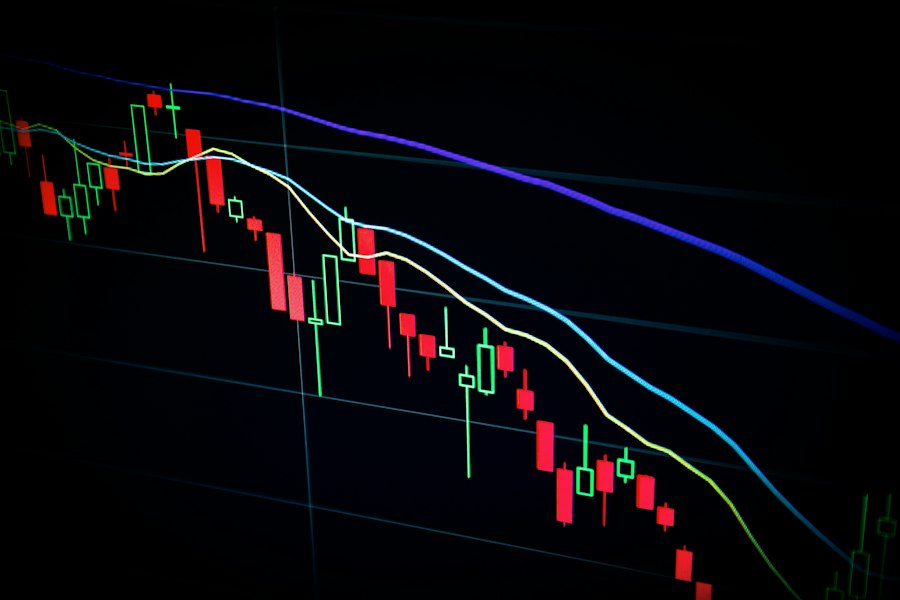
Markets Open a New Geopolitical Chapter
U.S. stock futures moved higher even as oil prices rose following weekend U.S. attacks on Iran, creating the kind of cross-asset setup that often confuses investors at first glance. On the surface, a military escalation in the Middle East should push equities lower, crude sharply higher, volatility up, and safe-haven assets into demand. Instead, the early market response suggests traders are weighing not just the severity of the event, but also the possibility that the strikes remain contained rather than evolve into a broader regional conflict.
That distinction matters. Markets are not moral scorekeepers; they are discounting mechanisms. The first question investors ask after a geopolitical shock is whether the event changes earnings, inflation, interest rates, liquidity, or credit conditions in a durable way. For now, the rise in futures indicates a tentative belief that the direct economic damage may be limited, while the move higher in oil reflects a clear risk premium tied to supply uncertainty.
Why Stocks Can Rise Alongside Oil
A simultaneous rise in equities and crude is not impossible. It often happens when investors believe the geopolitical shock is serious but manageable. If traders feared an immediate disruption of Persian Gulf energy flows, a retaliation cycle involving multiple regional powers, or closure of major shipping chokepoints, equity futures would likely be under sharper pressure. The fact that futures are up suggests some investors may be positioning for a relief rally after the initial uncertainty of the weekend passed without a worst-case escalation.
Another factor is positioning. Ahead of major geopolitical events, investors often hedge aggressively by buying put options, reducing equity exposure, or adding to cash. If the first wave of developments appears less severe than feared, those hedges can be unwound quickly, pushing futures higher. This does not mean the market is dismissing the risk; it means the price action may be reflecting a short-term recalibration from worst-case fear to conditional caution.
Oil, however, is reacting to a more direct transmission channel. Iran remains an important energy producer, and the broader Persian Gulf region is critical to global crude flows. The Strait of Hormuz, a narrow waterway between Iran and Oman, is one of the world’s most important energy chokepoints, with a substantial share of seaborne crude and liquefied natural gas passing through it. Even a low-probability threat to shipping can add several dollars of geopolitical premium to crude prices.
The Oil Market Is the Main Inflation Watchpoint
For equity investors, the central issue is not simply whether oil rises today. The bigger question is whether crude stays elevated long enough to affect inflation expectations, corporate margins, and Federal Reserve policy. A short-lived oil spike tends to be absorbed by markets. A sustained move higher can create a more difficult macro environment, especially if it lifts gasoline prices and keeps headline inflation sticky.
Energy is both a cost input and a consumer tax. Higher crude prices benefit producers, oilfield services companies, and some pipeline operators, but they pressure airlines, transportation firms, chemical companies, retailers, and lower-income consumers. If gasoline prices rise meaningfully, discretionary spending can weaken at the margin. That is particularly important in an economy where investors have been closely monitoring consumer resilience, credit card delinquencies, wage growth, and the lagged effects of prior rate hikes.
The Federal Reserve also becomes part of the story. Central banks typically look through temporary energy shocks, but they cannot ignore a persistent rise in inflation expectations. If oil prices remain elevated for weeks or months, traders may reduce expectations for rate cuts or price in a higher-for-longer policy path. That would be less favorable for long-duration growth stocks, speculative technology shares, real estate investment trusts, and other rate-sensitive assets.
Sector Winners and Losers to Watch
The first trading sessions after a geopolitical event often produce sharp sector rotations. Investors should avoid reacting to every headline tick, but several areas deserve close attention:
- Energy: Integrated oil majors, exploration and production companies, refiners, and oilfield services firms may outperform if crude remains supported. Balance sheet strength matters because geopolitical rallies can reverse quickly.
- Defense and aerospace: Defense contractors often attract bids during periods of military escalation, especially if investors expect higher government spending or replenishment demand for weapons systems.
- Airlines and transports: These groups are vulnerable to higher fuel costs and weaker travel sentiment. Airlines with weaker balance sheets or limited fuel hedging can be hit harder.
- Consumer discretionary: If energy prices rise at the pump, retailers, restaurants, autos, and leisure companies can face pressure as household budgets tighten.
- Technology: Large-cap technology can still rally if yields fall on safe-haven buying, but high-multiple names may struggle if oil-driven inflation pushes yields higher.
- Gold and safe havens: Gold, the U.S. dollar, and Treasuries can attract flows if escalation risk increases, though their moves will depend on whether inflation fear or safety demand dominates.
Three Scenarios Investors Should Consider
The market’s next major move will depend on how investors handicap escalation risk. A useful framework is to separate the situation into three scenarios.
Scenario one is contained retaliation. Iran or aligned groups respond in a limited manner, but major energy infrastructure and shipping lanes remain functional. In this case, oil may hold a moderate premium, volatility could fade, and equities may continue to grind higher after an initial period of uncertainty.
Scenario two is a prolonged shadow conflict. Attacks, cyber operations, sanctions responses, proxy activity, and intermittent disruptions continue without full-scale war. This would likely keep risk premiums elevated, create choppy trading, and favor energy, defense, and high-quality balance sheets over speculative growth and highly levered companies.
Scenario three is major regional escalation. If shipping through the Strait of Hormuz is threatened, Gulf energy infrastructure is hit, or additional countries are pulled into direct confrontation, oil could rise sharply and equities would likely face a much more serious drawdown. In that environment, liquidity, hedging, and capital preservation become more important than chasing short-term rallies.
Volatility May Be Underpricing Tail Risk
One reason investors should stay disciplined is that futures markets can be calm before cash markets fully process risk. Overnight and premarket moves often reflect thinner liquidity than regular trading hours. Options markets, Treasury yields, credit spreads, and the dollar will provide better confirmation of whether investors are truly comfortable with the geopolitical backdrop.
The VIX and credit markets are especially important. If equities rise while volatility falls and credit spreads remain contained, that supports the idea of a limited shock. But if stocks rise while credit spreads widen or volatility remains bid, it may signal a fragile rally driven by positioning rather than genuine confidence. Retail investors should watch market internals, not just headline index moves.
Portfolio Strategy: Do Not Trade the Headline Alone
For educated retail investors, the best response is rarely an emotional all-in or all-out decision. Geopolitical events are notoriously hard to trade because the next headline can invalidate a thesis in minutes. Instead, investors should focus on portfolio resilience. That means knowing how much exposure they have to oil-sensitive industries, rate-sensitive growth stocks, and companies dependent on consumer spending.
Investors with diversified portfolios may consider modest rebalancing rather than wholesale changes. Energy exposure can serve as a partial hedge against crude spikes, but buying after a sharp move requires caution. Defense stocks can also act defensively in this environment, though valuations matter. Holding some cash or short-duration fixed income can provide flexibility if volatility creates better entry points.
Above all, investors should avoid assuming that a positive futures move equals an all-clear signal. Markets can initially rally on relief and then reverse if the geopolitical path worsens. Conversely, panic selling after the first shock can be costly if the conflict remains contained. The right approach is scenario-based, disciplined, and focused on risk-adjusted return.
Bottom Line
The rise in stock futures alongside higher oil prices suggests investors are not yet pricing in a worst-case Middle East escalation. The equity market appears to be betting on containment, while the oil market is adding a rational geopolitical risk premium. That balance can hold if energy flows remain intact and retaliation is limited. But the situation carries meaningful tail risk, especially through crude prices, inflation expectations, and global shipping security.
For investors, the key is to monitor oil persistence, credit conditions, volatility, and sector rotation. A contained event may support equities after a brief shock. A broader escalation would quickly shift the conversation from earnings growth to inflation, margins, and capital preservation. In this market, staying invested may still make sense, but staying complacent does not.