AI Capital Is Still Finding Its Favorite Home
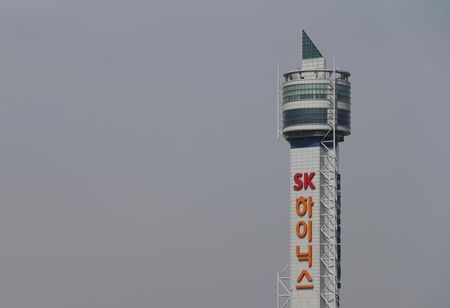
SK Hynix’s roughly $28 billion U.S. listing attracting robust demand is more than a single-company event. It is another signal that global investors remain willing to pay for exposure to the artificial intelligence supply chain, particularly the high-bandwidth memory segment where SK Hynix has become one of the market’s most important players. For currency and macro investors, the immediate question is not only what this means for semiconductor equities, but how renewed foreign appetite for Korean technology assets may feed into the Korean won, regional risk sentiment, and cross-border dollar flows.
The deal arrives at a time when AI-related capital expenditure continues to dominate equity market narratives. Cloud providers, chip designers, foundries, memory producers, and power-infrastructure companies have become part of one large investment ecosystem. SK Hynix sits in a strategically powerful position because high-bandwidth memory, or HBM, is a critical input for advanced AI accelerators. When demand for the company’s U.S. listing is strong, investors are effectively saying they still believe the AI hardware cycle has room to run.
Why This Matters Beyond SK Hynix Shares
Large international listings can influence markets through several channels. First, they broaden access. A U.S. listing makes it easier for global funds, U.S.-based institutions, and retail platforms to gain exposure without dealing directly in the Korean market. Second, it can reduce valuation discounts. Asian technology champions often trade at lower multiples than U.S. peers due to governance, liquidity, currency, and market-access concerns. A deep U.S. investor base can narrow that gap if demand is sustained.
Third, it reinforces the geopolitical premium attached to advanced semiconductors. Memory is no longer a simple commodity cycle story. HBM supply is tied to AI sovereignty, data-center buildouts, and strategic technology competition. That means investors may be willing to look through near-term volatility in memory pricing if they believe SK Hynix can defend its technological lead and secure long-term contracts with top AI customers.
For Korean markets, this is potentially supportive. South Korea is one of the world’s most export-sensitive major economies, and semiconductors are central to its trade cycle. When foreign investors buy Korean chip exposure, it often strengthens broader sentiment toward the country’s assets. Equity inflows can support the won, improve local market liquidity, and lift related suppliers across the value chain.
The Forex Angle: What It Means for USD/KRW
The direct currency impact depends on the structure of the listing and the handling of proceeds. If the transaction primarily involves overseas shares or depositary instruments, the near-term conversion into won may be modest. However, the signaling effect can still matter. Strong demand for a Korean technology listing tends to improve foreign investor confidence, and that can translate into additional portfolio inflows into Seoul-listed equities.
For USD/KRW, the setup is nuanced. The won is typically sensitive to four big variables:
- Global risk appetite: A strong AI deal supports risk-on positioning and can pressure USD/KRW lower.
- Semiconductor export expectations: Higher confidence in chip demand improves Korea’s current-account outlook.
- U.S. dollar direction: If Treasury yields rise or the dollar strengthens broadly, won gains may be capped.
- China and regional sentiment: Korea remains exposed to Asian manufacturing cycles and China-linked demand.
In other words, the listing is won-positive at the margin, but it is unlikely to overpower broader dollar trends by itself. If global investors are already rotating into AI hardware and emerging Asian equities, the deal could reinforce a move toward a firmer won. If the U.S. dollar is rallying because markets are repricing Federal Reserve policy or geopolitical risk, the currency effect may be more muted.
AI Optimism Meets the Memory Cycle
The key investment debate is whether HBM demand can offset the traditional boom-bust nature of memory. DRAM and NAND markets have historically been cyclical, with supply expansions eventually pressuring prices. HBM is different because it is technologically complex, tightly linked to advanced packaging, and qualified through demanding customer relationships. That gives leading producers more pricing power than in conventional commodity memory.
Still, investors should not assume the cycle has disappeared. Strong listing demand often reflects confidence, but it can also reflect crowded positioning. If AI infrastructure spending slows, if hyperscalers become more disciplined with capex, or if competitors catch up in HBM yields and capacity, margins could come under pressure. The market is pricing not just current earnings, but leadership durability.
That is why this listing matters as a sentiment gauge. If demand remains strong after the debut period, it suggests investors view SK Hynix as a structural AI winner rather than a cyclical memory rebound trade. If enthusiasm fades quickly, it may indicate that the market is becoming more selective after several years of AI-led multiple expansion.
Implications for Asian Currencies and Equity Flows
The read-through extends beyond Korea. Taiwan’s dollar, the Japanese yen through semiconductor equipment exposure, and select Southeast Asian currencies tied to electronics supply chains can all be influenced by the same global theme. Strong appetite for SK Hynix supports the broader idea that Asia remains indispensable to AI hardware production.
For the Taiwan dollar, the signal is constructive because investors often group Korean memory and Taiwanese foundry exposure within the same AI basket. For the yen, the impact is less straightforward. Japan benefits through chipmaking equipment and materials, but the yen remains heavily driven by interest-rate differentials and Bank of Japan policy. For the Chinese yuan, the event is more indirect: it highlights the continued importance of non-China semiconductor supply chains amid technology restrictions and strategic realignment.
Portfolio managers may also use the listing as a liquidity event to rebalance regional allocations. If U.S. investors gain easier access to SK Hynix, some capital could shift from other semiconductor proxies. That may create relative winners and losers even if the broader AI trade remains intact.
What Retail Investors Should Watch Next
For educated retail investors, the important issue is not simply whether the listing is popular on day one. The more relevant questions are about sustainability. Watch the following indicators over the coming weeks and months:
- Post-listing price action: A strong debut followed by stable performance suggests durable institutional support.
- HBM pricing and capacity updates: Evidence of tight supply would validate premium valuations.
- Customer concentration: Heavy reliance on a small group of AI chip buyers can amplify both upside and downside.
- USD/KRW reaction: A firmer won alongside foreign equity inflows would confirm a positive Korea asset story.
- U.S. yield trends: Higher yields can weigh on growth valuations and emerging-market currencies.
The broader macro backdrop remains essential. If the Federal Reserve is moving toward easier policy, liquidity-sensitive technology assets and Asian currencies may both benefit. If inflation surprises force tighter financial conditions, even strong company-level narratives can struggle. Semiconductor leadership does not immunize an equity from valuation compression when discount rates rise.
Bottom Line
SK Hynix’s high-demand U.S. listing is a clear vote of confidence in the AI semiconductor supply chain and in Korea’s role within it. For equity investors, it reinforces the company’s position as a key HBM beneficiary. For currency traders, it is modestly supportive of the won through sentiment and potential inflow channels, though broader dollar and rate dynamics remain the dominant drivers.
The message from global capital markets is straightforward: investors are still hungry for credible AI infrastructure exposure. The opportunity is real, but so are the risks of crowded positioning, cyclical memory supply, and macro-driven volatility. The listing is bullish for sentiment, but the next phase will depend on whether earnings, HBM demand, and foreign inflows can justify the enthusiasm.