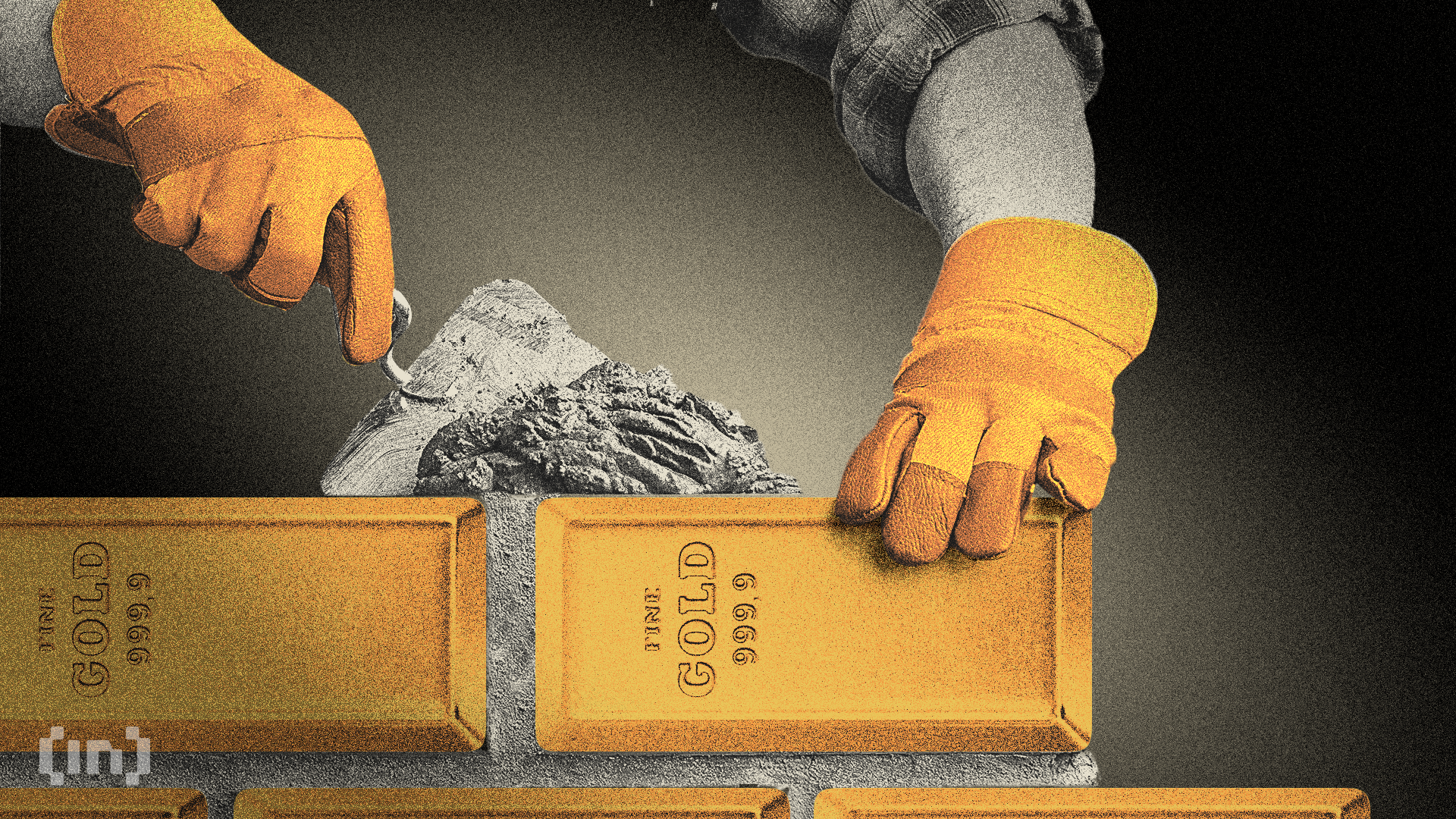
Golds Slide Becomes a Cross-Market Signal
Gold fell to its weakest level since early November 2025 on Tuesday, extending a bruising decline that has put the metal on track for a fourth consecutive monthly loss. Spot bullion touched an intraday low near $3,942 in early Asian trading before stabilizing around $3,956, down roughly 1.5% on the session. For a market that spent much of the prior cycle benefiting from inflation fear, central-bank accumulation, geopolitical stress and expectations of easier monetary policy, the latest move is a warning that the balance of drivers has shifted.
The selloff was not confined to gold. Silver dropped about 1.4% to $57.40, platinum slid 1.25% to $1,572, and palladium eased 0.45% to $1,216. All four major precious metals are facing monthly losses, suggesting investors are not simply rotating from one metal to another. Instead, the entire complex is being repriced as the market reassesses risk premiums, real yields, liquidity and industrial-demand expectations.
Why a Geopolitical Shock Is Not Helping Gold
At first glance, gold weakness during Middle East instability can look counterintuitive. Historically, bullion benefits when investors seek protection against war, energy shocks or currency stress. But safe-haven trades are rarely linear. Gold tends to rally most when uncertainty is rising and outcomes are hard to price. Once markets begin to see a pathway toward talks, containment or reduced escalation, some of that geopolitical premium can evaporate quickly.
The current pressure reflects exactly that dynamic. Diplomatic signals around the US-Iran confrontation have been mixed, with competing messages over whether direct engagement is imminent. Yet for markets, even the possibility of a negotiated off-ramp can be enough to reduce demand for emergency hedges. Traders who bought gold as insurance against a broader conflict may now be taking profits or cutting exposure, especially after a long period in which bullion remained historically expensive.
This does not mean geopolitical risk has disappeared. It means the market is shifting from panic pricing to probability pricing. Gold is no longer being rewarded for the worst-case scenario alone. It is being forced to compete with cash, bonds and risk assets in a world where traders are asking whether the next incremental headline increases or reduces the likelihood of escalation.
Rates, the Dollar and the Real-Yield Problem
The deeper issue for gold is that the macro backdrop has become less forgiving. Gold pays no income, so its opportunity cost rises when inflation-adjusted bond yields are firm. If investors can earn attractive real returns in short-dated government debt or high-quality credit, bullion must rely more heavily on fear, currency debasement concerns or central-bank buying to attract capital.
When gold was rising, investors were willing to look through that opportunity cost because they expected rate cuts, persistent inflation, fiscal deficits and geopolitical instability to keep demand strong. But if the market pushes out expectations for aggressive easing, or if the dollar remains resilient, gold can lose momentum quickly. A stronger dollar makes bullion more expensive for non-US buyers, while firm real yields reduce the appeal of holding a non-yielding asset.
The current price action suggests the market is testing whether golds long-term bull case can withstand a period of tighter financial conditions and reduced fear demand. A four-month losing streak would be psychologically important because it implies the decline is no longer just a one-week positioning flush. It is becoming a trend.
Precious Metals Weakness Is Broad, But Not Identical
The declines across silver, platinum and palladium matter because each metal carries a different mix of monetary and industrial characteristics. Gold is primarily a financial asset and reserve metal. Silver sits between a monetary hedge and an industrial input. Platinum and palladium are tied more directly to auto catalysts, emissions systems, hydrogen technologies and broader manufacturing activity.
That makes the synchronized drop notable. It points to a combination of macro liquidation and fading speculative appetite rather than a single fundamental shock. Still, investors should distinguish between the metals:
- Gold: Most sensitive to real yields, the US dollar, central-bank demand and safe-haven flows.
- Silver: More volatile because it is influenced by both investment demand and industrial use in solar, electronics and electrification.
- Platinum: Supported by supply constraints and energy-transition narratives, but vulnerable to growth scares.
- Palladium: Still challenged by substitution trends, electric-vehicle adoption and uncertain internal-combustion vehicle demand.
Silver trading near $57.40 remains elevated by historical standards, so a 1.4% daily fall may not yet indicate a structural breakdown. But because silver often amplifies golds moves, further gold weakness could trigger a sharper correction if momentum funds and retail traders unwind leveraged positions.
Positioning May Be Exaggerating the Move
After a powerful multi-year advance, gold entered this downturn with crowded bullish narratives. Investors had good reasons to own it: large fiscal deficits, questions over fiat-currency credibility, central-bank reserve diversification and persistent geopolitical stress. But when a widely loved asset stops responding positively to supportive headlines, traders often rush to reduce exposure.
That is the risk now. A break to the lowest level since November can activate stop-loss orders, systematic selling and volatility-based de-risking. Commodity trading advisors and momentum funds tend to respond to price levels rather than valuation arguments. If gold closes below key moving averages or fails to reclaim broken support, mechanical selling can deepen the decline.
Retail investors should also be aware of the difference between a hedge and a trade. Long-term holders may view gold as portfolio insurance against monetary disorder or crisis. Short-term traders, however, care about entry points, momentum and liquidity. The current market is punishing late entries and leveraged bullish bets.
What Would Stabilize Gold?
Gold does not need a single catalyst to recover, but it likely needs at least one of several conditions to improve. A clear drop in real yields would reduce the opportunity cost of ownership. A weaker dollar would improve global purchasing power. Renewed geopolitical escalation could rebuild the safe-haven bid. Stronger evidence of central-bank buying could also reassure investors that official-sector demand remains a durable floor.
Technically, the first step is stabilization around the current zone. The $3,900 to $4,000 area is important not because it is magical, but because round numbers influence psychology and options positioning. A decisive break below $3,900 could invite another wave of selling, while a quick recovery back above $4,000 would suggest dip buyers are still active.
For miners, the implications are mixed. Gold producers have benefited from high realized prices, but equity investors tend to discount future margins quickly when bullion weakens. Higher operating costs, labor pressures and energy expenses mean miners can fall faster than the metal during corrections. Royalty and streaming companies may hold up better, but they are not immune to multiple compression if gold sentiment deteriorates.
Investor Playbook: Patience Over Panic
For educated retail investors, the key is not to assume that every gold dip is automatically a buying opportunity. The long-term case for gold may remain intact, especially in a world of high sovereign debt and geopolitical fragmentation. But price matters. Momentum matters. And in commodities, forced selling can push markets further than fundamentals alone would justify.
A disciplined approach would separate portfolio insurance from tactical exposure. Investors who hold a modest allocation to bullion for diversification may not need to react to every monthly decline. Traders looking for upside, however, should demand confirmation: stabilization in price, easing yields, weaker dollar momentum or renewed physical demand signals.
It is also worth watching silver closely. If silver begins to underperform gold sharply, that could indicate the market is shifting from a precious-metals correction to a broader concern about industrial demand and speculative liquidity. If silver stabilizes first, it may signal that risk appetite within the metals complex is returning.
Bottom Line
Golds drop to its lowest level since November is more than a headline decline. It reflects a broader repricing of safe-haven demand, real-rate expectations and speculative positioning across precious metals. The metal remains supported by long-term themes such as fiscal strain, central-bank diversification and geopolitical uncertainty, but the near-term tape has turned fragile.
The most important signal now is whether gold can reclaim the $4,000 area and hold it. Failure to do so would keep the market vulnerable to another leg lower, particularly if the dollar stays firm and diplomatic developments reduce the urgency of haven buying. For investors, the message is clear: gold is still a strategic asset, but it is no longer trading as if every risk automatically works in its favor.