Macro Returns to the Driver Seat
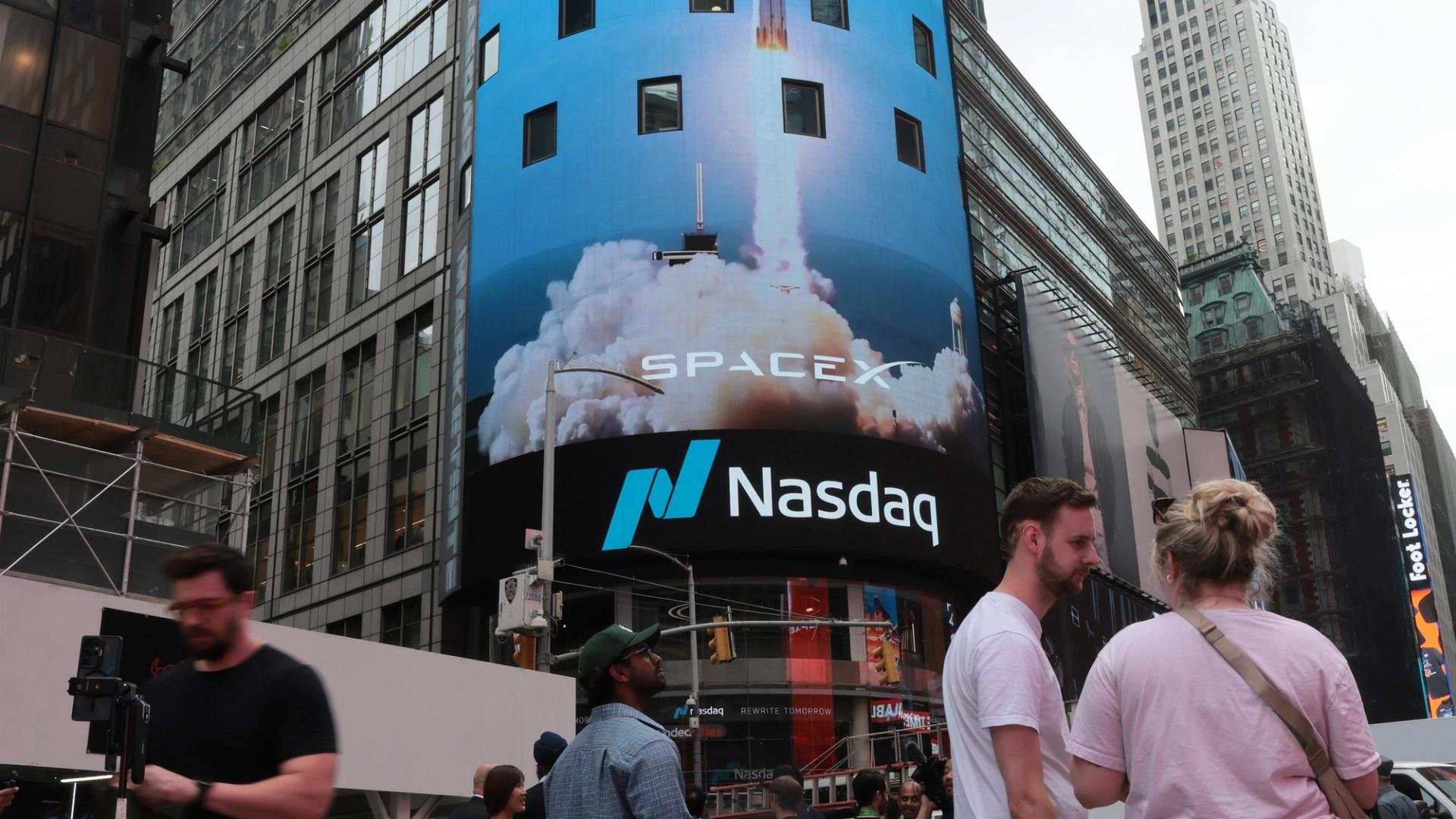
Crypto enters the new week with two catalysts that sit outside the usual token-specific narrative but matter deeply for digital asset pricing: the release of the latest FOMC minutes and the high-profile addition of SpaceX to the Nasdaq 100. Together, they frame the market’s central question: can risk assets extend momentum if monetary policy remains restrictive, or will liquidity concerns again cap upside?
Bitcoin and Ether have increasingly traded as hybrid assets. They respond to crypto-native flows, exchange-traded fund demand, network upgrades and stablecoin liquidity, but they also move with real yields, the U.S. dollar, equity volatility and expectations for Federal Reserve policy. That makes this week less about a single headline and more about the market’s interpretation of financial conditions.
For educated retail investors, the key is not simply whether the FOMC minutes sound hawkish or dovish. The important question is whether they change the probability path for rate cuts, liquidity conditions and risk positioning into the second half of 2026.
Why the FOMC Minutes Matter for Bitcoin and Ether
The FOMC minutes give investors a more detailed look at how policymakers debated inflation, employment, credit conditions and the appropriate pace of policy adjustment. Crypto traders will be watching for three signals in particular: confidence that inflation is moving toward target, concern that policy is too restrictive, and any discussion of balance sheet policy.
If the minutes show officials becoming more comfortable with disinflation, markets may pull forward expectations for easier policy. That would typically support Bitcoin, Ether and high-beta altcoins by lowering real yields and weakening the dollar. Conversely, if the minutes emphasize sticky services inflation, wage pressure or financial conditions that remain too loose, risk assets could face a more difficult setup.
Bitcoin has often benefited when investors anticipate monetary easing, not because it is mechanically tied to rate cuts, but because easier policy improves the opportunity cost of holding non-yielding assets. When Treasury yields fall, the relative appeal of scarce digital assets can rise. Ether adds another layer: it is both a monetary asset within its own ecosystem and a productive network asset tied to decentralized finance, tokenization and staking economics.
The market will also focus on language around the Fed’s balance sheet. Quantitative tightening reduces excess liquidity over time, while any hint of slower runoff can be interpreted as less pressure on risk assets. For crypto, global liquidity remains one of the most important medium-term variables, particularly when stablecoin supply and ETF flows are reinforcing the same direction.
SpaceX in the Nasdaq 100: A Sentiment Shock for Growth Assets
The addition of SpaceX to the Nasdaq 100 is not a crypto event in the narrow sense, but it is highly relevant for risk appetite. The index is heavily associated with innovation, technology leadership and growth-oriented capital allocation. SpaceX’s inclusion strengthens the Nasdaq’s exposure to frontier themes such as commercial space, satellite infrastructure, defense technology, advanced manufacturing and global connectivity.
For crypto investors, the connection is indirect but meaningful. Digital assets tend to perform best when investors are willing to pay for long-duration innovation. When capital rotates toward high-growth technology, artificial intelligence, semiconductor platforms, robotics and space infrastructure, crypto often participates in the same broad risk-on impulse. The reverse is also true: when valuations compress in growth equities, speculative liquidity usually drains from altcoins first.
Index inclusion can also create mechanical demand. Nasdaq 100 tracking funds and benchmark-sensitive portfolios may need to adjust exposure, which can influence liquidity and volatility around the rebalance. While that demand is directed at equities rather than tokens, it can boost confidence in the broader innovation trade. A strong Nasdaq response could support crypto by improving cross-asset sentiment, particularly among traders who monitor Bitcoin’s correlation with tech-heavy equity indices.
The more subtle implication is narrative. SpaceX entering a flagship technology index underscores that public markets are still rewarding scale, ambition and infrastructure dominance. Crypto’s strongest long-term narratives, including decentralized compute, tokenized real-world assets, stablecoin payments and decentralized physical infrastructure, compete for capital within that same innovation bucket.
The Bitcoin Setup: Consolidation or Breakout?
Bitcoin’s near-term path will likely depend on whether macro data reinforces confidence in lower rates without triggering recession fears. That distinction matters. A soft-landing narrative is constructive for Bitcoin because it combines easier policy expectations with resilient risk appetite. A hard-landing narrative is more complicated: yields may fall, but investors may initially sell liquid assets, including BTC, to reduce risk.
Spot Bitcoin ETF flows remain a crucial barometer. Sustained inflows suggest institutional allocators are still treating drawdowns as accumulation opportunities. Outflows, especially if paired with a stronger dollar or rising real yields, would signal caution. Traders should also watch derivatives funding rates. Excessively positive funding can indicate crowded long positioning, raising the risk of sharp liquidations if the FOMC minutes disappoint.
On-chain behavior is equally important. If long-term holders continue to distribute into strength, rallies may become choppier. If exchange balances decline and stablecoin liquidity improves, Bitcoin may have a stronger foundation for upside. In the current environment, BTC does not need a euphoric catalyst; it needs confirmation that liquidity is not tightening again.
Ether and Altcoins Need More Than Macro Relief
Ether may benefit from a dovish macro read, but its outperformance depends on crypto-native demand. Investors are watching staking yields, layer-2 activity, decentralized exchange volumes, stablecoin settlement and institutional appetite for ETH-based products. If network revenue and application usage improve while macro conditions soften, Ether could regain leadership.
Altcoins face a higher bar. Many tokens remain sensitive to unlock schedules, thin liquidity and narrative rotation. A rising Nasdaq and friendlier Fed backdrop can help, but investors should distinguish between quality protocols with revenue or durable users and purely speculative assets driven by leverage. In late-cycle risk-on bursts, low-quality tokens can rally hard, but they also tend to fall fastest when liquidity tightens.
Segments worth monitoring this week include:
- Tokenized real-world assets: benefiting from institutional experimentation and demand for on-chain yield products.
- DePIN and infrastructure tokens: potentially supported by broader interest in networks that bridge physical and digital systems.
- AI-related crypto assets: still tied closely to the performance of broader AI equities and compute narratives.
- Layer-2 ecosystems: dependent on transaction growth, fee economics and developer traction rather than pure speculation.
- Stablecoin-linked activity: a key measure of whether capital is entering or exiting crypto rails.
What Traders Should Watch This Week
The main event is the FOMC minutes, but the reaction may be shaped by surrounding data and market positioning. Treasury yields, the dollar index, Nasdaq futures and volatility indices should all be watched alongside crypto price action. If yields fall and the Nasdaq rallies after the minutes, Bitcoin could test resistance with stronger confirmation. If yields rise and equities fade, crypto may struggle to hold support.
Investors should also pay attention to the shape of the yield curve. A steepening curve driven by falling front-end yields can be supportive if it reflects expected policy easing. A steepening driven by rising long-end yields may be less helpful, as it can tighten financial conditions and pressure long-duration assets.
Liquidity may be thinner than usual as markets reset after the early July holiday period, which can amplify moves. Thin liquidity works both ways: it can produce fast upside breakouts, but also exaggerated downside wicks. For leveraged traders, this is a week to respect event risk rather than chase every intraday move.
Portfolio Implications for Retail Investors
For longer-term investors, the week’s events should be used to evaluate probability rather than make emotional all-in decisions. A dovish interpretation of the minutes may strengthen the case for maintaining exposure to Bitcoin, Ether and selected high-quality crypto assets. A hawkish interpretation does not necessarily invalidate the bull case, but it may delay it and increase volatility.
A balanced approach may include keeping core exposure in BTC and ETH, limiting leverage around macro events, and reserving capital for opportunities if volatility spikes. Investors with altcoin-heavy portfolios should be especially aware that macro disappointment usually hits smaller assets harder than majors.
The SpaceX Nasdaq 100 inclusion adds a positive sentiment layer, but it should not be mistaken for guaranteed crypto upside. It supports the broader innovation narrative, yet monetary policy remains the more immediate catalyst for digital assets this week.
Bottom Line
This week’s crypto market is being shaped by the intersection of Federal Reserve policy signals and renewed enthusiasm for frontier technology. The FOMC minutes will test whether investors can continue pricing a friendlier liquidity backdrop, while SpaceX’s Nasdaq 100 inclusion reinforces demand for high-growth innovation exposure.
For Bitcoin, the ideal setup is falling real yields, a stable or weaker dollar, positive ETF flows and firm Nasdaq sentiment. For Ether and altcoins, macro relief helps, but sustained outperformance will require evidence of real network demand and healthier liquidity. The headline risk is clear: if the Fed sounds less willing to ease than markets hope, crypto could see a sharp but potentially temporary reset.
The key takeaway for investors is simple: this is a macro-sensitive week, not just a crypto week. Watch the Fed, watch yields, watch the Nasdaq, and treat SpaceX’s index debut as a sentiment amplifier rather than the main engine. In a market still driven by liquidity, patience and position sizing matter more than prediction.