A Hold With a Message
The Federal Reserve left interest rates unchanged at its latest policy meeting, but the real market-moving signal came from new Chair Kevin Warsh: the central bank is not prepared to declare victory over inflation. By committing explicitly to price stability, Warsh used his first major policy moment to reinforce the idea that the Fed’s reaction function will remain disciplined, even as investors continue to look for signs of easier financial conditions.
For markets, this was not a neutral event. A rate hold may sound passive, but in central banking, standing still can be an active choice. If inflation is above target, growth is slowing only gradually, and financial markets are already pricing future cuts, keeping rates steady while emphasizing credibility is effectively a reminder that the Fed does not want to underwrite another inflationary impulse. The decision signals continuity in the policy framework, but potentially a shift in tone: Warsh appears intent on reestablishing the Fed’s inflation-fighting credentials from day one.
Why the Fed Chose Patience Over Action
The Fed’s dilemma remains familiar: inflation has cooled from its pandemic-era peaks, but the last mile toward the 2% target has proven uneven. Goods inflation has been far less threatening than it was during the supply-chain shock, yet services inflation, shelter costs, insurance, health care, and wage-sensitive categories continue to complicate the outlook. At the same time, the labor market has softened from an overheated state without collapsing, giving policymakers room to wait rather than rush.
That combination makes a hold the path of least regret. Cutting too soon could loosen financial conditions, lift asset prices, weaken the dollar, and risk reigniting demand before inflation is fully contained. Hiking again, by contrast, could overtighten into lagging effects from prior policy moves, especially with commercial real estate, regional banks, and lower-income households still sensitive to financing costs. A steady policy rate allows the Fed to preserve optionality while sending a clear message: progress on inflation must be durable, not merely convenient.
Warsh’s emphasis on price stability matters because inflation expectations are as important as current inflation readings. If consumers, firms, and investors believe the Fed will tolerate inflation modestly above target, wage-setting and pricing behavior can adjust in ways that make inflation harder to defeat. The Chair’s job is not only to set rates, but to shape expectations. In that sense, the statement was less about today’s rate level and more about anchoring the future path of policy.
What Kevin Warsh Changes at the Fed
Warsh is widely viewed as a policymaker with a market-oriented background and a strong awareness of financial stability risks. That makes his opening stance particularly important. Investors might have expected a Chair with deep market experience to be more sensitive to asset-price volatility and credit stress. Instead, Warsh’s first message was that stable prices remain the foundation for sustainable growth, strong labor markets, and credible capital allocation.
This does not necessarily mean the Fed is becoming structurally more hawkish. It means the threshold for rate cuts may be higher than risk markets hoped. Warsh appears to be drawing a distinction between disinflation and price stability. Disinflation means the inflation rate is falling. Price stability means inflation is low, predictable, and consistent with the central bank’s target. Markets often trade on the first; central banks are judged on the second.
The nuance is critical. A few soft inflation prints may not be enough to trigger a pivot if underlying inflation remains sticky or if financial conditions ease too quickly. The Fed will likely want confirmation across multiple data sets: core inflation, wage growth, labor demand, inflation expectations, credit conditions, and consumer spending. Warsh’s early communication suggests a preference for evidence over hope.
Market Reaction: Bonds, Stocks, Dollar and Crypto
The immediate implication for Treasury markets is that front-end yields are likely to remain sensitive to every inflation and labor-market release. A Fed that is holding but not easing keeps two-year yields supported, while longer-dated yields will depend on whether investors see the policy stance as inflation-controlling or growth-restrictive. If Warsh convinces markets that the Fed will not fall behind the curve, long-term inflation premiums could stay contained. If investors fear policy is too tight for too long, the yield curve could flatten or invert further as recession risk gets repriced.
For equities, the message is mixed. A steady Fed is preferable to a surprise hike, but a Chair focused on price stability reduces the probability of near-term liquidity relief. Rate-sensitive sectors such as real estate, small caps, and unprofitable growth companies may remain under pressure if discount rates stay elevated. Large-cap technology can still benefit from strong balance sheets and secular earnings growth, but even the strongest equity stories face valuation headwinds when real yields are high.
The U.S. dollar may find support if the Fed remains more restrictive than other major central banks. Currency markets are driven by relative policy paths, not absolute levels alone. If Europe, the United Kingdom, or parts of Asia move more quickly toward easing while the Fed waits, dollar strength could persist. That would tighten global financial conditions, particularly for emerging markets and dollar-denominated borrowers.
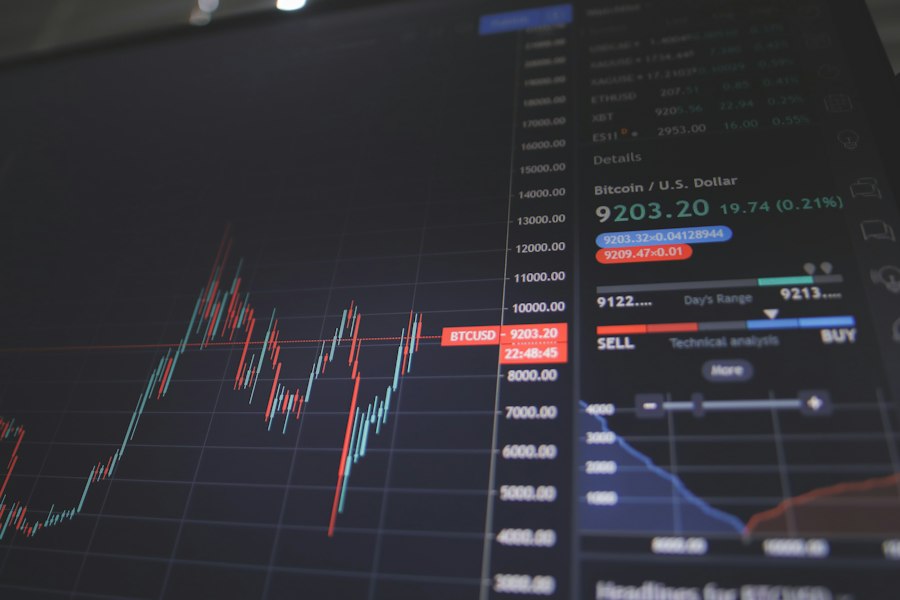
For crypto, the Fed’s stance is especially important. Digital assets have increasingly traded as high-beta liquidity assets during macro turning points. Bitcoin’s long-term narrative as a scarce, non-sovereign asset remains intact, but in the short run, crypto markets are highly sensitive to real yields, dollar strength, and risk appetite. A firm Fed does not eliminate upside in crypto, particularly if institutional adoption and tokenization trends continue, but it does argue against assuming that easy liquidity will quickly return. In a Warsh-led Fed regime, crypto rallies may need stronger fundamental catalysts rather than simply relying on rate-cut expectations.
The Data That Matters Next
Investors should focus less on the fact that the Fed held rates and more on what would change its mind. The key variables are straightforward, but their interpretation is not. Inflation must continue to move toward 2% on a sustained basis. Wage growth needs to cool enough to be consistent with productivity and the inflation target. The labor market must slow without deteriorating rapidly. Credit conditions need to remain tight enough to restrain excess demand but not so tight that they trigger systemic stress.
The Fed will also watch financial conditions themselves. If stocks surge, credit spreads tighten, mortgage rates fall, and crypto speculation accelerates, policymakers may worry that markets are undoing the restraint created by previous rate hikes. That feedback loop has become a defining feature of modern monetary policy. The more aggressively markets price cuts, the less comfortable the Fed may be delivering them.
This is why Warsh’s communication style will be a major macro variable. Every speech, press conference, and policy statement will be analyzed for clues about tolerance for inflation overshoots, sensitivity to labor-market weakness, and willingness to look through market volatility. A new Chair does not just inherit a policy rate; he inherits a credibility test.
Investment Implications
For educated retail investors, the practical takeaway is to avoid building portfolios around a single Fed outcome. A hold with hawkish language can support quality assets while punishing overleveraged bets. Cash and short-duration bonds remain relevant when policy rates are restrictive. Longer-duration bonds may perform well if growth weakens, but they remain vulnerable if inflation proves sticky. Equities can continue higher if earnings hold up, yet valuation discipline matters more when the Fed is not actively easing.
In crypto, position sizing is critical. The asset class can move violently around changes in liquidity expectations, and a price-stability-first Fed may reduce the odds of a broad, liquidity-driven melt-up. That does not make digital assets unattractive, but it does place more importance on network fundamentals, regulatory clarity, institutional flows, and real use cases.
- Bullish scenario: Inflation cools steadily, growth remains resilient, and the Fed gains room to cut later without credibility damage.
- Bearish scenario: Inflation stalls above target, forcing rates to stay restrictive and pressuring risk assets.
- Volatility scenario: Labor data weakens faster than inflation, creating a difficult trade-off between employment support and price stability.
Key Takeaway
The Fed’s decision to hold rates steady is less important than Kevin Warsh’s opening commitment to price stability. Markets hoping for a quick pivot received a reminder that the central bank’s priority remains inflation credibility. For bonds, equities, the dollar, and crypto, the message is clear: rate cuts are possible, but they must be earned by the data. Until inflation is convincingly back on a sustainable path toward 2%, investors should expect a Fed that is patient, cautious, and unwilling to let financial markets dictate policy.