Wall Street Gets a Geopolitical Tailwind
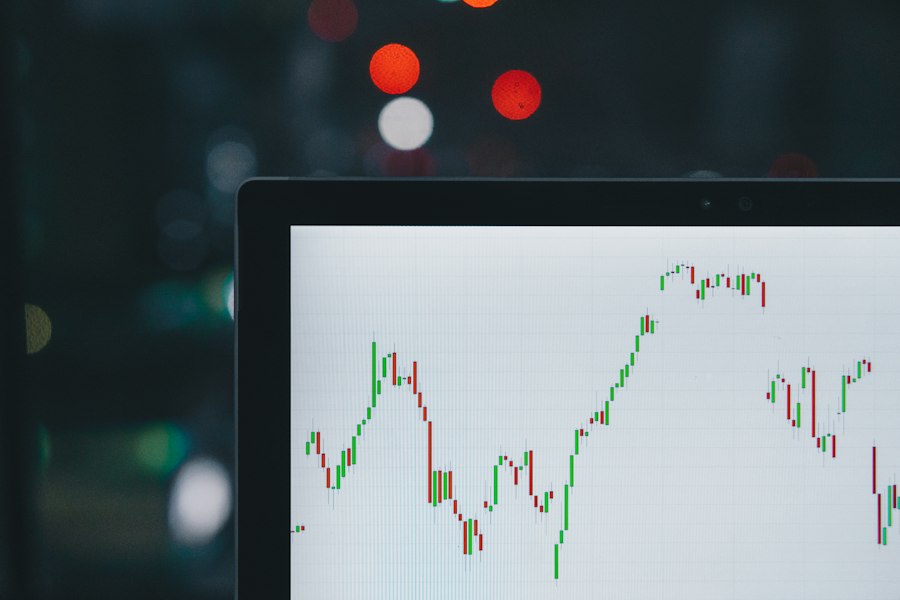
Wall Street rallied sharply on Monday, with the Dow Jones Industrial Average ending at a record high, after a US-Iran deal cooled one of the market's biggest near-term risks: an oil price shock. The move was a classic cross-asset relief trade. Crude prices slid, inflation expectations eased, bond-market anxiety moderated, and equity investors rotated back toward economically sensitive and rate-sensitive shares.
The headline mattered because oil is not just another commodity. It is a tax on consumers, a cost input for companies, a driver of inflation expectations, and a barometer of geopolitical stress. When the market believes the probability of supply disruption in the Middle East is falling, investors quickly reprice everything from airline margins to central bank policy risk.
The rally also shows how dependent risk assets have become on the path of energy prices. Equities have spent much of the past two years balancing solid corporate earnings against concerns that sticky inflation could keep interest rates higher for longer. A meaningful decline in crude gives investors permission to price in a more benign macro mix: slower inflation, steadier growth, and less pressure on household spending.
Why the Oil Move Was So Powerful
The US-Iran deal appears to have reduced the market's perceived risk of a disruption involving Iranian barrels or shipping routes near the Persian Gulf. That matters because the region remains central to global energy flows. Iran is a major crude producer, and the Strait of Hormuz remains one of the world's most important oil chokepoints, with a substantial share of seaborne crude and liquefied natural gas passing through the corridor.
Oil markets price not only current supply and demand, but also the risk that future supply could suddenly disappear. In periods of Middle East tension, Brent and WTI often carry a geopolitical premium. That premium can inflate prices even before any physical barrel is lost. When diplomacy reduces the probability of escalation, traders unwind hedges, speculative long positions shrink, and refiners become less aggressive in securing prompt barrels.
The sharp drop in crude therefore reflects two forces at once: a direct reassessment of supply risk and a broader liquidation of fear-based positioning. For investors, the distinction is important. If the decline is mainly risk-premium removal, oil can fall quickly without signaling weak demand. That is a more bullish backdrop for equities than an oil selloff caused by recession fears.
Lower Oil Is a Gift to Consumers and the Fed
For the US economy, lower crude prices feed through most visibly into gasoline, diesel, jet fuel, and freight costs. The pass-through is not immediate or perfect, but it can be meaningful. A sustained decline in oil helps reduce headline inflation and can improve consumer sentiment, particularly among lower- and middle-income households that spend a larger share of income on energy and transportation.
This is why equity markets responded so strongly. A lower oil price can improve the odds of a more favorable Federal Reserve backdrop. Central banks usually focus on core inflation, which excludes food and energy, but they cannot ignore oil entirely. Energy shocks can seep into wages, shipping costs, business pricing plans, and consumer expectations. If oil retreats, the Fed faces less pressure to remain hawkish solely because of headline inflation volatility.
That does not mean rate cuts automatically follow. Services inflation, wages, housing costs, and credit conditions still matter. But a falling oil market removes one obstacle. For growth stocks, small caps, homebuilders, retailers, and industrials, even a modest decline in rate anxiety can support higher valuations.
Winners and Losers Across the Stock Market
The equity reaction was not uniform. A crude-price slide reshuffles sector leadership. Investors should think in terms of margin sensitivity, fuel exposure, and earnings leverage.
- Airlines and travel: Jet fuel is one of the largest variable costs for carriers. Lower oil can support margins, especially if demand remains resilient.
- Retail and consumer discretionary: Cheaper gasoline can free up household cash for restaurants, apparel, leisure, and online spending.
- Industrials and transportation: Trucking, parcel delivery, rail, and logistics companies benefit when fuel surcharges and operating costs become more manageable.
- Energy producers: Exploration and production companies, oilfield services, and some refiners can lag as revenue expectations decline with crude.
- Utilities and rate-sensitive sectors: These can benefit indirectly if lower oil reduces inflation pressure and helps stabilize yields.
The Dow's record close is especially notable because the index is more tilted toward mature industrial, financial, healthcare, and consumer companies than high-growth technology benchmarks. A Dow record suggests investors were not simply chasing artificial intelligence or megacap growth. They were buying a broader economic relief story.
What It Means for Oil Traders
For commodity traders, the key question is whether the price slide marks a durable regime change or a fast repricing of risk. The answer depends on three variables: the credibility of the US-Iran deal, OPEC+ supply discipline, and the state of global demand.
If the agreement holds and Iranian supply becomes less constrained, the market may need to reassess balances for the second half of the year. Additional barrels, even if gradual, can pressure prices if demand growth is moderate. At the same time, OPEC+ has often acted as a stabilizing force by adjusting output policy when prices fall too far. The cartel's reaction function remains critical: if producers defend price levels, downside may be limited; if market share competition intensifies, crude could remain under pressure.
Demand is the other side of the ledger. Oil consumption is still tied to air travel, trucking activity, petrochemicals, emerging-market growth, and China's industrial cycle. A diplomatic breakthrough does not eliminate demand uncertainty. It only removes part of the supply-risk premium.
Technically, a sharp geopolitical unwind can create crowded short-term moves. Traders who chased crude higher on conflict risk may be forced to exit, exaggerating the drop. But once that liquidation runs its course, prices often stabilize around fundamentals: inventories, refinery runs, export flows, and forward demand expectations.
Bond and Currency Signals Matter Too
The rally in equities should be viewed alongside bonds and currencies. If lower oil leads Treasury yields lower, it strengthens the bullish equity narrative. Lower yields raise the present value of future earnings and make dividend-paying stocks more attractive relative to cash. If the US dollar softens at the same time, multinational earnings may receive an additional translation benefit.
However, if yields do not fall meaningfully, investors should be cautious about extrapolating the rally. That could mean bond traders view the oil move as temporary or believe inflation pressures remain entrenched elsewhere. In modern markets, oil is important, but rates remain the main valuation anchor.
Risks Investors Should Not Ignore
The obvious risk is that diplomacy breaks down. Geopolitical deals can reduce uncertainty, but they rarely eliminate it. Verification, enforcement, domestic political opposition, sanctions implementation, and regional alliances can all complicate the path forward. Oil markets may quickly rebuild a risk premium if shipping threats, proxy conflicts, or compliance disputes re-emerge.
There is also an equity-market risk: relief rallies can pull forward returns. If investors aggressively price in lower inflation and easier monetary policy, stocks become vulnerable to disappointment. A renewed rise in crude, a hot inflation reading, or hawkish central bank commentary could challenge the new optimism.
For retail investors, the better approach is not to chase every headline, but to understand portfolio exposure. Those heavily overweight energy may face pressure if crude remains weak. Those concentrated in consumer and industrial shares may benefit from the lower-oil environment, but should still watch earnings quality and valuation.
Bottom Line
The Dow's record close following a US-Iran deal and oil price slide is more than a one-day market celebration. It reflects a broader repricing of geopolitical risk, inflation expectations, and corporate margin assumptions. Lower crude can act like a stimulus for consumers and a pressure release valve for central banks, making it one of the most equity-friendly commodity moves when it is driven by de-escalation rather than collapsing demand.
Still, investors should treat the move as a shift in probabilities, not a guarantee. If diplomacy holds and oil remains contained, the rally can broaden beyond a handful of market leaders. If tensions return or inflation proves sticky, the market may give back some of its relief premium. For now, the message from Wall Street is clear: when oil risk falls, risk appetite rises.