What is driving the dollar higher?
The dollar is firming because investors are buying liquidity and safety while also reassessing whether the Federal Reserve may need to keep policy tighter for longer. A U.S.-Iran escalation raises geopolitical risk, supports oil prices, and can revive inflation concerns, all of which tend to favor the U.S. dollar in the short run.
In periods of geopolitical stress, the dollar benefits from two powerful channels. First, it is the world’s primary reserve currency and the dominant unit for trade settlement, debt issuance, and commodities pricing. Second, global investors often reduce exposure to higher-beta assets and seek cash-like instruments, U.S. Treasury bills, and dollar funding. That demand can lift the dollar even when the initial shock has little to do with the U.S. domestic economy.
The added layer in this episode is the inflation channel. Any confrontation involving Iran immediately brings energy markets into focus because the Persian Gulf remains critical to global crude flows. The Strait of Hormuz, a narrow maritime chokepoint between Iran and Oman, has historically handled roughly one-fifth of global oil consumption and a significant share of liquefied natural gas shipments. Even if physical supply is not disrupted, the risk premium embedded in oil can rise quickly when shipping lanes, sanctions, or regional military assets are perceived to be at risk.
For macro markets, that matters because higher energy prices can complicate the disinflation path. The Federal Reserve’s inflation target is 2%, and energy shocks can feed into headline inflation immediately while also pressuring transportation, manufacturing, and consumer expectations. When traders start pricing a higher probability of additional Fed tightening, or fewer future cuts, the dollar typically gains because U.S. yields become more attractive relative to peers.
How does a U.S.-Iran escalation affect Fed rate expectations?
A U.S.-Iran escalation can raise Fed rate expectations if markets believe an oil-driven inflation shock will prevent inflation from returning to 2%. The Fed does not target oil prices directly, but it reacts if energy costs broaden into core inflation, wages, or inflation expectations.
Central banks usually look through temporary commodity spikes, especially if the shock hurts growth. But the Fed’s reaction function is not automatic. If the economy is already resilient, labor markets remain tight, or inflation expectations are fragile, policymakers may decide that easing financial conditions too soon would be risky. That is why geopolitical shocks can sometimes produce an unusual mix: stronger dollar, firmer oil, weaker equities, and higher front-end rate expectations.
The key distinction is between a relative price shock and a persistent inflation shock. A relative price shock means gasoline, diesel, jet fuel, and petrochemical costs rise, squeezing households and companies, but the effect fades if energy prices stabilize. A persistent inflation shock occurs when higher input costs spread into services, long-term contracts, freight rates, and wage demands. The Fed is much more concerned about the second scenario.
Retail investors should watch short-term Treasury yields and Fed funds futures for confirmation. If the two-year yield rises while the dollar strengthens, the market is not only buying safety; it is also pricing tighter monetary policy. If yields fall while the dollar rises, the move is more likely a pure risk-off liquidity bid. That difference is crucial for equities, crypto, and emerging-market assets.
Why does this matter for traders in stocks, crypto, and commodities?
A stronger dollar tightens global financial conditions and usually pressures risk assets, especially assets that depend on abundant liquidity. For traders, the dollar is not just a currency; it is a real-time indicator of funding stress, risk appetite, and expected U.S. policy.
For U.S. equities, dollar strength can hurt multinational earnings because overseas revenue translates back into fewer dollars. Higher yields also raise discount rates, weighing on long-duration sectors such as technology and growth stocks. At the same time, energy producers may benefit from higher crude prices, creating sector rotation rather than a simple broad-market signal.
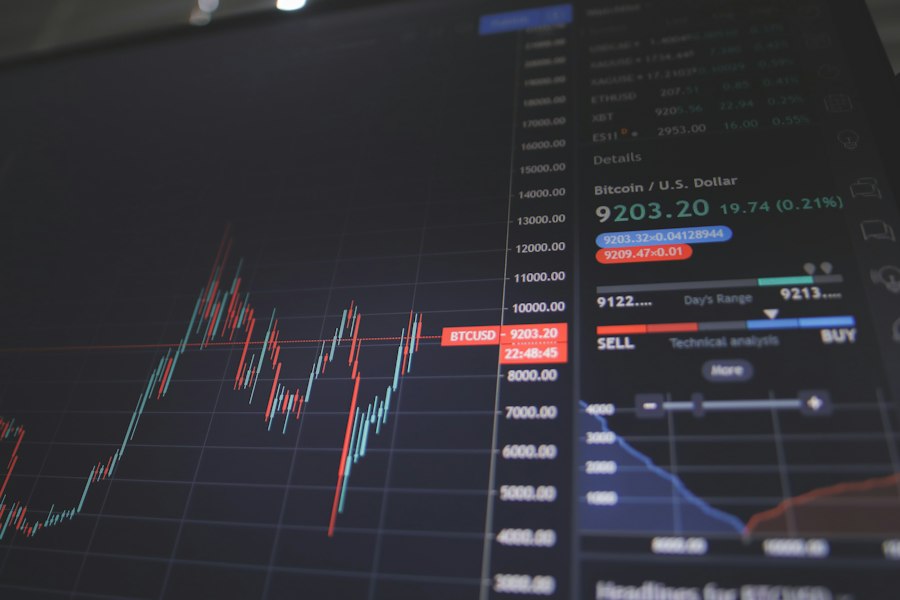
For crypto markets, the impact is often more direct. Bitcoin and digital assets trade globally but are largely priced against dollar liquidity. When the dollar rises alongside real yields, speculative appetite generally weakens. Crypto traders should pay attention to three variables:
- DXY direction: A rising dollar index often coincides with lower risk tolerance and weaker altcoin performance.
- U.S. real yields: Higher inflation-adjusted yields increase the opportunity cost of holding non-yielding assets such as Bitcoin and gold.
- Oil volatility: A sharp move in crude can trigger cross-asset deleveraging, especially if investors fear a broader inflation shock.
That said, Bitcoin’s reaction is not always one-dimensional. In some geopolitical episodes, investors may view it as a censorship-resistant hedge or alternative settlement asset. But in highly liquid global selloffs, Bitcoin has often traded more like a high-beta macro asset than a traditional safe haven. The practical takeaway is that crypto can rally on narratives, but it usually struggles when dollar liquidity tightens sharply.
What happens if tensions ease or intensify?
If tensions ease, the dollar’s safe-haven premium may fade and oil risk premiums could compress, reducing pressure on Fed hike expectations. If tensions intensify, markets may price a larger inflation shock, stronger dollar demand, wider credit spreads, and deeper risk-asset volatility.
The easing scenario would likely favor equities, high-yield credit, and crypto, particularly if oil prices retreat and Treasury yields stabilize. In that case, traders may interpret the dollar move as a temporary geopolitical hedge rather than the start of a sustained policy repricing. Risk assets could rebound quickly if positioning became defensive and no supply disruption materialized.
The intensification scenario is more complex. If the conflict threatens shipping lanes, energy infrastructure, or regional allies, oil could rise enough to alter inflation expectations. A sustained crude spike would function like a tax on consumers and businesses, raising costs while reducing disposable income. That is a stagflationary impulse: weaker growth with higher inflation. Stagflation is difficult for central banks because cutting rates can worsen inflation expectations, while hiking rates can deepen the growth slowdown.
In that environment, the dollar can remain supported even if U.S. growth expectations decline, because global capital often seeks the deepest and most liquid markets during stress. Emerging-market currencies are especially vulnerable because many countries import energy in dollars and carry dollar-denominated debt. A stronger dollar raises their import bills and debt-service burdens simultaneously.
How should investors interpret the dollar signal now?
Investors should treat the dollar’s rise as a warning that markets are repricing both geopolitical risk and monetary policy risk. The move becomes more important if it is confirmed by higher front-end yields, stronger oil prices, and weaker risk assets at the same time.
The most useful framework is to separate the move into three components: safety demand, inflation risk, and Fed repricing. Safety demand can fade quickly if headlines calm. Inflation risk persists if oil stays elevated for weeks or months. Fed repricing becomes durable if economic data show that price pressures are spreading beyond energy.
For active traders, this argues for discipline rather than panic. Dollar strength can create tactical opportunities, but it also increases the risk of false breakouts across crypto and equities. Position sizing matters when macro volatility rises because correlations often move toward one: assets that normally diversify a portfolio can sell off together when investors rush into cash.
Key data points to monitor include crude oil prices, breakeven inflation rates, the two-year Treasury yield, the dollar index, credit spreads, and Fed commentary. If officials emphasize inflation risks, rate-hike expectations may gain traction. If they stress uncertainty and downside growth risks, markets may reduce the probability of further tightening, even with oil elevated.
For longer-term investors, the central question is whether the shock changes the path of inflation or merely creates a temporary risk premium. A short-lived escalation may leave the broader investment cycle intact. A sustained energy shock, by contrast, could delay monetary easing, strengthen the dollar further, and pressure liquidity-sensitive assets well beyond the initial headline reaction.
Key Takeaway
The dollar is strengthening because geopolitical escalation involving the U.S. and Iran is increasing demand for safe assets while raising the risk of an oil-driven inflation shock. If markets continue to price higher Fed rates or fewer cuts, dollar strength could pressure equities, emerging markets, and crypto.
The decisive variables are oil prices, front-end Treasury yields, and whether inflation expectations move higher. A quick de-escalation would likely unwind some of the dollar premium, but a prolonged confrontation could keep global liquidity tight and volatility elevated.