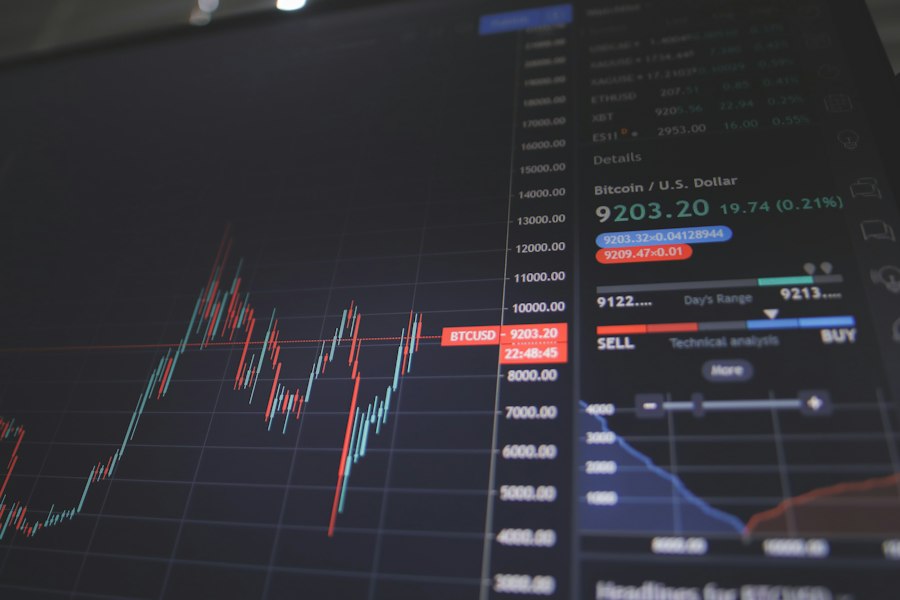
The U.S. dollar is entering the final stretch of June with momentum rarely seen over the past year. After months of choppy trading driven by shifting Federal Reserve expectations, uneven global growth and intermittent risk appetite, the greenback is now on track for its strongest monthly performance in nearly twelve months. The move is not being powered by a single catalyst. Instead, it reflects a convergence of three forces: resilient U.S. macro data, a market reassessment of rate-cut timing, and renewed geopolitical risk in the Gulf that has lifted demand for liquidity and safety.
For currency traders, the key question is whether this is the start of a more durable dollar upswing or simply a late-cycle squeeze before a reversal. The answer may come quickly. This week’s U.S. labor market data, especially nonfarm payrolls, wage growth and the unemployment rate, will help determine whether the Federal Reserve can maintain a patient stance or must move closer to easing. At the same time, any escalation around Gulf shipping routes or energy infrastructure could keep a geopolitical premium embedded in the dollar, oil and safe-haven assets.
Why the Dollar Is Gaining Ground
The dollar’s strength this month has been broad enough to matter. It has advanced against the euro, pound and yen, while also pressuring higher-beta currencies tied to global trade, commodities and carry demand. A broad dollar rally generally signals more than a technical move; it suggests investors are rebalancing toward U.S. assets or reducing exposure to riskier parts of the global market.
The immediate macro backdrop favors the greenback. U.S. growth has cooled from prior peaks but remains comparatively sturdy. Inflation has not fallen in a perfectly linear path, and policymakers have continued to emphasize the need for evidence before cutting rates. That combination has kept U.S. Treasury yields relatively attractive versus many developed-market peers. When investors can earn competitive yield in the world’s most liquid reserve currency, the dollar tends to retain support.
Another factor is relative weakness elsewhere. The euro area continues to face soft industrial momentum and fragile confidence, while the U.K. economy remains constrained by sticky inflation and subdued real income growth. Japan, meanwhile, is still managing the tension between ultra-low legacy yields and imported inflation pressures. Even when the Bank of Japan leans more hawkish, wide U.S.-Japan rate differentials can keep USD/JPY elevated unless Treasury yields fall decisively.
Jobs Data Is the Next Major Test
The U.S. employment report is the most important scheduled event for the dollar this week. Markets will be watching three numbers in particular:
- Payroll growth: A strong headline figure would reinforce the view that the economy can tolerate higher rates for longer.
- Average hourly earnings: Wage growth remains central to the inflation outlook because service-sector prices are closely tied to labor costs.
- Unemployment rate: A meaningful rise could signal that restrictive policy is biting more deeply, increasing pressure on the Fed to ease.
If the report shows continued job creation and firm wages, the dollar could extend gains as traders push back expectations for rate cuts. In that scenario, EUR/USD may remain under pressure, GBP/USD could struggle to regain upside momentum, and USD/JPY may test the tolerance of Japanese officials if the pair rises too quickly.
By contrast, a weak payrolls print combined with slower wage growth would challenge the current dollar narrative. It would imply that the Fed has more room to shift toward accommodation, likely pulling Treasury yields lower and triggering profit-taking in crowded long-dollar positions. The dollar’s recent rally means expectations are no longer neutral; a soft labor report could produce an outsized reaction.
Gulf Tension Adds a Safe-Haven Layer
Geopolitical risk is rarely a clean input for currency markets, but the Gulf matters because it links security, energy and inflation expectations. The region is central to global oil supply, and any threat to shipping lanes or production infrastructure can quickly affect crude prices. Higher oil prices complicate the inflation picture for energy-importing economies and can reduce global risk appetite.
In periods of geopolitical stress, the dollar often benefits from its role as the primary funding and reserve currency. Investors seeking liquidity tend to move into U.S. cash, Treasuries and dollar-denominated assets. However, the relationship is not always straightforward. If an oil shock becomes severe enough to damage U.S. growth or revive stagflation fears, the market reaction could become more complex, with gold, the Swiss franc and possibly the yen attracting stronger demand.
For now, the Gulf risk premium appears to be supporting the dollar rather than undermining it. The reason is that it reinforces the higher-for-longer argument: energy uncertainty can slow disinflation, making central banks less comfortable with rapid rate cuts. That matters especially for the Fed, which has repeatedly indicated that policy decisions depend on incoming data rather than a preset calendar.
Major Currency Pairs to Watch
EUR/USD is highly sensitive to relative growth and rate expectations. If U.S. data stays firm while European indicators remain soft, the pair could remain biased lower. A decisive break below recent support would likely invite momentum sellers, though positioning risk should not be ignored after a strong dollar month.
USD/JPY remains the most politically sensitive major pair. Elevated U.S. yields support the dollar, but rapid yen weakness raises the probability of verbal or actual intervention from Japanese authorities. Traders should treat upside breakouts with caution because policy risk can appear suddenly.
GBP/USD faces a mixed backdrop. The pound can benefit when global risk appetite improves, but it struggles when the dollar rally is driven by U.S. yield strength. U.K. inflation dynamics also complicate the Bank of England’s path, leaving sterling vulnerable to sharp repricing around data.
Commodity currencies such as the Australian, New Zealand and Canadian dollars may see diverging effects. Higher oil prices can support the Canadian dollar at the margin, but broad dollar strength and risk aversion can offset that benefit. The Australian and New Zealand dollars are more exposed to global growth sentiment and China-linked demand expectations.
Cross-Asset Implications for Investors
A stronger dollar does not only matter for forex traders. It can tighten global financial conditions by making dollar debt more expensive for non-U.S. borrowers. Emerging markets are particularly sensitive, especially countries with large external financing needs or heavy energy import bills. If the dollar continues higher alongside elevated oil prices, pressure may build across EM currencies, local bonds and equities.
For U.S. equities, dollar strength is a double-edged sword. It can reflect confidence in U.S. assets, but it also reduces the value of overseas earnings for multinationals. Sectors with heavy international revenue exposure may face earnings translation headwinds if the rally persists. Commodities can also feel pressure because many are priced in dollars, though oil may remain supported if Gulf tensions dominate the demand effect.
Gold and crypto deserve separate mention. Gold often benefits from geopolitical anxiety, but a rising dollar and firm real yields can cap upside. Bitcoin and other digital assets may struggle if dollar liquidity tightens and risk appetite fades, although they can occasionally attract flows when concerns about sovereign risk increase. In the current setup, the dollar’s direction remains one of the most important macro variables for speculative assets.
What Could Reverse the Dollar Rally?
The most obvious reversal trigger would be a clear deterioration in U.S. labor data. A weaker jobs report, softer wages and downward revisions to prior months would revive the case for Fed easing. A second trigger would be a rapid de-escalation in Gulf tensions, reducing safe-haven demand and easing oil-related inflation fears. A third would be stronger non-U.S. data, particularly from Europe or China, which could reduce the relative appeal of U.S. assets.
Positioning is also important. When the dollar has already rallied strongly into a major data release, the bar for further gains rises. Traders who bought the move early may take profits even on a decent jobs number if the data do not materially change the Fed outlook. That makes the coming sessions vulnerable to volatility in both directions.
Bottom Line
The dollar’s best monthly run in nearly a year reflects a powerful blend of yield support, resilient U.S. data and geopolitical caution. The rally is fundamentally credible, but it is not risk-free. This week’s jobs data will determine whether the market doubles down on the higher-for-longer Fed narrative or begins to price a softer economic landing with earlier rate cuts.
For retail investors, the message is clear: do not view the dollar move in isolation. A stronger greenback affects equities, commodities, emerging markets, gold and crypto through liquidity, earnings and risk sentiment channels. If payrolls and wages remain firm while Gulf tensions persist, dollar bulls may stay in control. If the labor market cracks or geopolitical stress fades, the greenback’s strong June could quickly turn into a crowded trade looking for an exit.