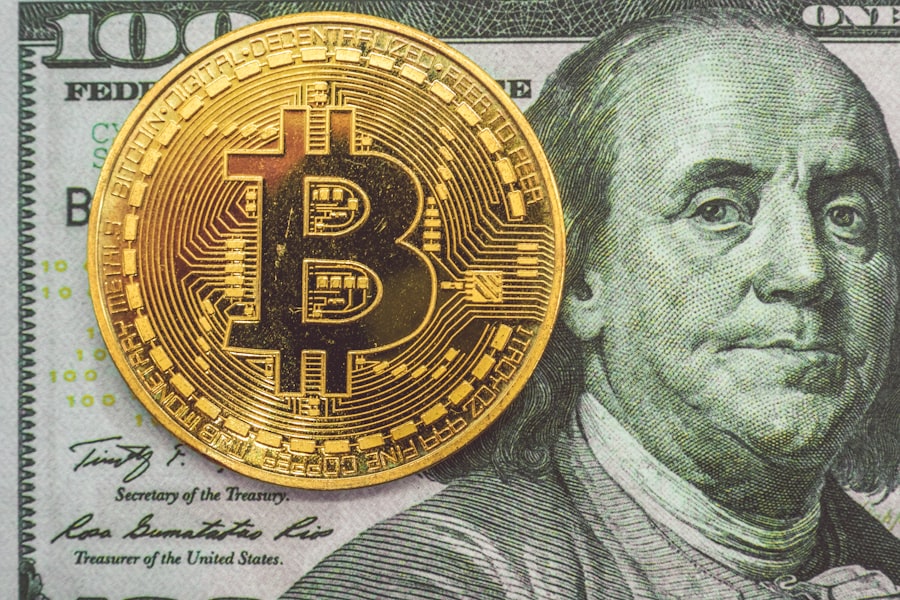
Altcoin season is often described as a mood shift, but the mechanics are more precise: capital first seeks safety in Bitcoin, then migrates toward higher beta when Bitcoin's upside volatility compresses and realized profits need a new outlet. With BTC trading near $64,197 and up 0.84% over 24 hours in the latest snapshot, while ETH is flat at $1,723.88 and SOL is the relative outperformer at $73.29, the market is showing selective risk appetite rather than a broad altcoin rotation.
The key point for investors is that altcoin season does not begin because social media declares it. It begins when four conditions align: Bitcoin dominance stops rising, ETH/BTC turns higher, stablecoin liquidity expands, and derivatives positioning creates asymmetric upside in high-beta assets. When only one or two of those signals are present, the result is usually sector rotation; when all four are present, the result can become a market-wide altcoin cycle.
Bitcoin Starts the Cycle, But Dominance Ends It
Bitcoin typically leads the first leg of a crypto bull market because it has the deepest liquidity, the strongest institutional rails, and the cleanest macro narrative. That is why spot ETF flows, CME futures positioning, and Coinbase premium data matter more for BTC than for most altcoins during the early phase. But altcoin season usually begins after Bitcoin dominance reaches a local plateau, not while it is still accelerating.
Historically, the signal has been visible in Bitcoin dominance reversals. In the 2017 cycle, BTC dominance fell from above 80% at the start of the year to roughly 37% near the January 2018 altcoin peak. In the 2020-2021 cycle, dominance dropped from about 70% in early 2021 to nearly 40% by May as ETH, BNB, SOL, AVAX and DeFi tokens absorbed speculative capital. The relevant signal is not the absolute level of dominance, but the change in slope: when BTC dominance fails to make new highs despite Bitcoin holding price support, rotation is already underway.
There is one caveat. Market-cap dominance is distorted by stablecoins and low-float token launches, so I prefer to track BTC dominance alongside the ratio of total crypto market cap excluding BTC and ETH to BTC market cap. A sustained breakout in that ratio, especially above its 200-day moving average, is a cleaner indication that capital is moving beyond the two institutional majors.
The First Trigger Is Profit, Not Narrative
The most underrated trigger for altcoin season is realized Bitcoin profit. Narratives explain where capital goes, but profit explains why it leaves Bitcoin in the first place. When long-term holders begin distributing into strength, on-chain metrics such as realized profit, SOPR and MVRV move from accumulation signals to rotation signals.
In prior cycles, broad altcoin rallies followed periods when Bitcoin holders had significant unrealized gains and began monetizing them. Glassnode's MVRV framework has repeatedly shown that when BTC trades materially above the aggregate cost basis of holders, coins with older age bands start moving. That does not always mean a Bitcoin top; it often means sophisticated holders are harvesting BTC gains and redeploying into assets with higher convexity.
Exchange flows are the confirming data. Rising BTC deposits to Binance, Coinbase and OKX during a flat or rising BTC price usually indicate distribution into liquidity, not panic selling. If those BTC inflows are paired with stablecoin outflows from exchanges into DeFi or altcoin spot pairs, the rotation signal strengthens. Conversely, if BTC inflows coincide with rising USDT and USDC balances on exchanges but no altcoin spot demand, the market is preparing for volatility rather than confirming altseason.
A practical threshold is simple: if Bitcoin is consolidating within 10% of a local high, BTC realized profit remains elevated, and the total altcoin market cap excluding BTC and ETH is making higher highs, the market is rotating rather than de-risking. If Bitcoin loses the range and altcoins fall faster, it was leverage, not rotation.
ETH/BTC Is Still the Gatekeeper
Most retail traders want altcoin season to begin with small caps. It rarely does. The first institutional-grade rotation signal is usually ETH/BTC strength because Ethereum is the main bridge between Bitcoin beta and broader smart-contract risk. When ETH/BTC reclaims its 50-day and 200-day moving averages with spot volume confirmation, liquidity managers begin moving out on the risk curve.
The current snapshot is not yet convincing on that front. ETH at $1,723.88 against BTC at $64,197 implies an ETH/BTC ratio near 0.0269, a weak level by the standards of previous broad altcoin cycles. In 2021, ETH/BTC rallied from roughly 0.03 to above 0.08 during the strongest phase of altcoin outperformance. That does not mean ETH must repeat that move, but it does mean a sustained ETH/BTC uptrend is still one of the cleanest tells that rotation is becoming systemic.
Ethereum also matters because it transmits liquidity. Rising DEX volume, higher stablecoin settlement value, increased L2 activity and stronger fees are measurable signs that capital is doing something beyond holding BTC. When ETH underperforms and L1 alternatives rally in isolation, as SOL is doing in the snapshot with a 2.36% daily gain, the market is rewarding a specific ecosystem rather than confirming a broad altcoin season.
Stablecoins Are the Fuel, Not a Footnote
No durable altcoin season occurs without balance-sheet expansion in stablecoins. Rotation funded only by selling BTC is finite; rotation funded by new USDT, USDC and other dollar liquidity can compound across sectors. This is why stablecoin market capitalization, exchange stablecoin reserves and net issuance from Tether and Circle are core indicators, not background data.
The strongest setup is when aggregate stablecoin supply is rising, exchange stablecoin balances are not collapsing, and on-chain transfer volume is increasing across Ethereum, Tron, Solana and major L2s. That combination shows both dry powder and transactional demand. If stablecoin supply is flat while altcoins rally, the move is more likely a leverage-driven beta chase than a sustainable expansion.
There is also a sequencing pattern. Stablecoins first accumulate on centralized exchanges, then move into BTC and ETH spot pairs, and later flow into DeFi, L1 ecosystems and sector-specific tokens. In a healthy rotation, Kaiko order-book data should show improving altcoin market depth, not just rising last-traded prices. Thin books can produce explosive moves, but they also produce 20% drawdowns when funding resets.
Derivatives Decide Whether Rotation Becomes a Squeeze
Derivatives turn rotation into reflexivity. When BTC perpetual funding is elevated while altcoin funding remains neutral, traders can take profit on crowded Bitcoin longs and reallocate into under-positioned alts. The most powerful altcoin rallies often start when open interest is rising, funding is only moderately positive, and spot volume is leading futures volume.
Danger appears when funding becomes the primary driver. A BTC funding rate above 0.03% per eight hours is already expensive on an annualized basis; above 0.05%, the market is paying heavily to stay long. If major altcoins show similar funding while spot volumes lag, the rally is vulnerable to a liquidation cascade. Bybit, Binance and OKX open interest data are especially useful here because offshore venues usually capture the fastest speculative build-up.
Options data adds another layer. If BTC implied volatility is falling while ETH and SOL implied volatility rises, traders are pricing a shift from macro-led Bitcoin exposure to altcoin convexity. CME futures positioning is also relevant: when asset managers are crowded long BTC futures and basis trades are saturated, incremental institutional demand may slow, giving liquid crypto-native capital an incentive to search for higher returns elsewhere.
Altcoin Season Is Now Fragmented by Sector
The next rotation is unlikely to lift every token equally. The 2017 cycle rewarded exchange listings and ICO beta. The 2020 DeFi cycle rewarded fee-generating protocols such as Uniswap and Aave. The 2021 cycle rewarded alternative L1s, NFTs and gaming infrastructure. Today, liquidity is more selective because institutional capital distinguishes between Bitcoin as collateral, Ethereum as settlement infrastructure, Solana as high-throughput consumer crypto, and smaller tokens as venture-style beta.
That makes sector leadership more important than simple market-cap rank. A genuine rotation should show breadth across at least three groups: large-cap smart-contract platforms, liquid DeFi tokens, and high-volume speculative sectors such as AI, gaming or meme assets. If only one theme is rising while ADA is down 0.98% and ETH is flat, as the snapshot suggests, the market is still in dispersion mode.
The best confirmation comes from fundamentals catching up with price. For L1s, watch active addresses, stablecoin supply on-chain, priority fees and developer activity. For DeFi, watch revenue, total value locked, borrow demand and DEX volumes. For exchange tokens such as BNB at $588.35, watch trading volumes, launch activity and fee capture. Price without usage can still rally, but price with rising network cash flow attracts deeper capital.
A Rotation Dashboard for the Next Altcoin Move
Investors need a dashboard because no single indicator identifies altcoin season reliably. The strongest signal is a cluster of confirmations across spot, on-chain and derivatives markets.
- BTC dominance: A weekly lower high in Bitcoin dominance while BTC price holds support indicates capital is rotating rather than exiting crypto.
- ETH/BTC: A reclaim of key moving averages with rising spot volume is the classic bridge from Bitcoin leadership to altcoin breadth.
- Stablecoin liquidity: Rising USDT and USDC supply, combined with healthy exchange balances, shows new purchasing power rather than recycled leverage.
- Exchange flows: BTC deposits into strength plus altcoin spot withdrawals suggest profit-taking is being redeployed into risk assets.
- Funding and open interest: Moderate funding with rising open interest is constructive; extreme funding with weak spot volume is a liquidation warning.
- Breadth: At least 60% to 70% of the top 50 non-stablecoin assets outperforming BTC over 30 to 90 days is a more robust altseason signal than a few isolated pumps.
Altcoin season is not triggered by Bitcoin weakness alone. It is triggered by Bitcoin profits becoming mobile while liquidity conditions remain strong enough to reward risk.
For now, the evidence points to selective rotation rather than a confirmed market-wide altcoin season. Bitcoin is still the anchor, ETH/BTC remains weak, and the outperformance in SOL is notable but not broad enough by itself. The next decisive phase will depend on whether Bitcoin can consolidate without draining liquidity, whether Ethereum can regain relative strength, and whether stablecoin supply expands fast enough to finance a wider move.
The forward-looking playbook is straightforward. If BTC holds its range, dominance rolls over, ETH/BTC turns higher, and stablecoin liquidity expands, the probability of a broader altcoin season rises sharply. If Bitcoin breaks down or derivatives funding overheats before spot demand broadens, the market will punish beta quickly. In crypto, rotation is profitable only when liquidity, positioning and on-chain behavior point in the same direction.