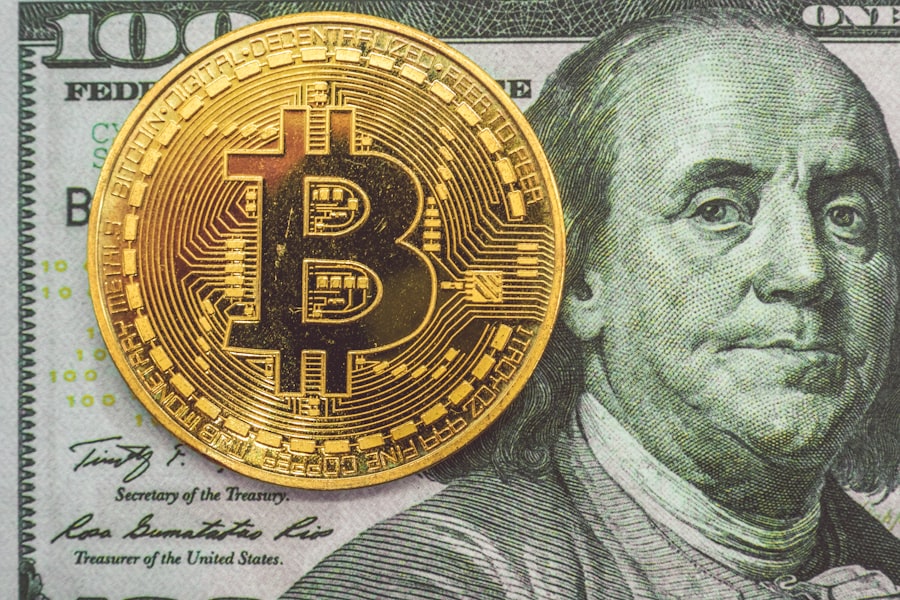
Altcoin season is not a calendar event; it is a liquidity handoff. Bitcoin usually leads the cycle because it is the deepest, most institutionally accessible crypto asset and the first destination for new capital. Rotation begins only when Bitcoin's marginal risk-reward deteriorates while liquidity, leverage and investor attention remain abundant enough to seek higher beta elsewhere. In the latest snapshot, Bitcoin trades near $65,625, down 1.17% over 24 hours, while ETH at $1,790 implies an ETH/BTC ratio near 0.0273. That ratio is not an altcoin-season confirmation; it is evidence that Bitcoin still owns the macro narrative unless ETH and the broader altcoin complex begin outperforming on a relative basis.
The common retail definition of altcoin season is simplistic: 75% of the top 50 coins outperform Bitcoin over a 90-day window. That metric is useful for confirming the move after it has already started. The tradable edge comes earlier, from observing where liquidity is being created, where profits are being realized, and whether derivatives positioning is financing sustainable spot accumulation or merely a short squeeze in illiquid names.
Bitcoin Dominance Is the First Gate, Not the Whole Signal
Bitcoin dominance remains the cleanest top-down measure of rotation. In prior cycles, the most powerful altcoin expansions began after dominance made a cyclical high and failed to reclaim it. In 2017, Bitcoin dominance fell from roughly 86% at the start of the year to below 40% by the first quarter of 2018. In the 2021 cycle, dominance dropped from about 73% in January to near 40% by May as ETH, SOL, BNB, AVAX and DeFi tokens absorbed speculative capital.
The mistake is treating a small pullback in dominance as a trigger. Dominance often falls for two very different reasons: altcoins are outperforming, or Bitcoin is declining less slowly than higher-beta assets in a risk-off tape. The first is rotation; the second is liquidation. A cleaner signal is a weekly lower high in Bitcoin dominance combined with rising total crypto market capitalization excluding BTC, often tracked as TOTAL2, and rising capitalization excluding BTC and ETH, tracked as TOTAL3. If BTC dominance falls while TOTAL3 is flat or declining, that is not altcoin season; it is a market cap denominator effect.
My threshold is stricter: Bitcoin dominance should lose a prior multi-month support zone, ETH/BTC should rise at the same time, and TOTAL3 should break above its 200-day moving average with expanding volume. Without all three, the move is usually sector-specific rather than a broad altcoin season.
The ETH/BTC Ratio Is the Rotation Transmission Mechanism
Ethereum remains the bridge between Bitcoin-led accumulation and broader altcoin speculation. Historically, broad altcoin rallies rarely persist while ETH/BTC is falling. The reason is mechanical: ETH is the largest non-BTC collateral asset across centralized exchanges, DeFi money markets and perpetual futures venues. When ETH outperforms BTC, it increases the perceived legitimacy of non-Bitcoin risk and improves collateral value across the altcoin ecosystem.
The current snapshot is instructive. ETH at $1,790 versus BTC at $65,625 leaves ETH/BTC near 0.0273, well below the levels associated with previous euphoric altcoin phases. In 2021, ETH/BTC moved from around 0.03 in late 2020 to above 0.08 by May 2021. That expansion coincided with surging DeFi total value locked, higher stablecoin velocity and a strong bid for Layer 1 alternatives. A durable rotation today would require ETH/BTC to stop making lower highs and reclaim key moving averages, particularly the 50-day and 200-day trend lines.
ETH leadership also helps distinguish healthy rotation from meme-driven froth. If DOGE, PEPE or small-cap perpetual contracts are rallying while ETH/BTC is flat, the market is expressing isolated risk appetite. If ETH, SOL, BNB and high-liquidity DeFi names outperform Bitcoin together, the market is repricing the entire non-BTC complex.
Stablecoin Liquidity Determines Whether Rotation Has Fuel
Altcoin season requires fresh buying power. Paper gains in Bitcoin can start the process, but stablecoin liquidity determines its breadth and duration. The most important data series are total stablecoin supply, exchange stablecoin balances and transfer velocity. When USDT and USDC market capitalization expands while stablecoins move onto exchanges, risk assets have immediate settlement liquidity. When stablecoin supply is flat and exchange balances fall, altcoin rallies usually become zero-sum rotations between crowded narratives.
In the 2020-2021 expansion, stablecoin supply rose by more than 500% from under $25 billion to above $150 billion, providing the monetary base for DeFi, NFTs and Layer 1 speculation. The strongest altcoin rallies occurred when stablecoin issuance and exchange inflows accelerated together. By contrast, periods of shrinking stablecoin supply, such as the 2022 deleveraging, turned nearly every altcoin bounce into exit liquidity.
Exchange flow composition matters as much as supply. Bitcoin exchange inflows from long-term holders often signal profit realization. If those BTC inflows are matched by stablecoin inflows and rising altcoin spot volume, it suggests profits are being recycled rather than leaving the system. CryptoQuant-style exchange netflow data, Glassnode realized profit metrics and Binance or Coinbase spot volume shares are valuable here. A rotation setup improves when BTC realized profits rise, BTC spot volume cools, and altcoin spot volumes expand without an immediate spike in funding rates.
Derivatives Confirm Whether the Move Is Sustainable or Fragile
Perpetual futures often identify the difference between accumulation and chase. Healthy early altcoin rotation usually begins with rising spot volume, modest open interest growth and neutral-to-slightly-positive funding. Late-stage altcoin season is characterized by exploding open interest, double-digit annualized funding, widening basis and frequent liquidation cascades. The former is investable; the latter is a volatility harvest for market makers.
Bitcoin derivatives can also trigger rotation. When CME Bitcoin futures basis compresses after a strong rally, leveraged long demand is cooling. If BTC implied volatility falls while altcoin implied volatility rises, traders are reallocating from directional Bitcoin exposure into higher-beta optionality. Options markets often show this through steeper call skews in ETH and SOL relative to BTC. A sustained rise in ETH call open interest versus BTC call open interest is one of the cleaner institutional tells that rotation is broadening.
Funding dispersion is another useful signal. In a mature rotation, funding rates rise first in large caps such as ETH, SOL and BNB, then in mid-cap infrastructure and finally in small-cap meme assets. If the sequence starts with illiquid microcaps while majors lag, the rally is usually narrative-driven and fragile. The order of leverage expansion matters because it shows whether capital is flowing down the risk curve or gambling at the edge of it.
On-Chain Behavior Shows When Bitcoin Profits Are Being Recycled
The most underappreciated trigger for altcoin season is Bitcoin holder behavior. Rotation often begins after long-term holders distribute into strength but before the market interprets that distribution as a cycle top. Glassnode's long-term holder supply, spent output profit ratio and realized profit by age cohort can help map this transition. When older BTC coins move on-chain at high profit while Bitcoin price stops accelerating, capital is being unlocked. The key question is whether that capital exits to fiat or redeploys into the crypto risk curve.
Wallet behavior can reveal redeployment. Rising ERC-20 transfer counts, higher decentralized exchange volumes, increased bridge activity to Solana, Base, Arbitrum or BNB Chain, and growth in stablecoin-adjusted DeFi TVL all indicate that capital is moving into active risk-taking. In 2021, the DeFi and Layer 1 rallies were accompanied by visible increases in on-chain fees, DEX volume and bridge flows. In contrast, a rally led only by centralized exchange perpetuals often lacks persistence because it does not create on-chain economic demand.
Exchange withdrawal patterns add another layer. Sustained altcoin withdrawals from Binance, Coinbase, OKX or Bybit to self-custody can indicate spot accumulation, especially when paired with declining exchange reserves. But large deposits of the same assets into exchanges during a rally often signal distribution. For high-float tokens, exchange supply rising into price strength is a warning that insiders, market makers or early buyers are using liquidity to reduce exposure.
A Practical Rotation Dashboard for the Next Altcoin Season
Investors do not need to predict the exact day altcoin season begins. They need a repeatable dashboard that separates early rotation from late-cycle exuberance. The following signals have historically carried the highest information value:
- Bitcoin dominance: weekly lower high and breakdown of a multi-month support zone.
- ETH/BTC: reclaim of the 50-day moving average first, then the 200-day moving average for confirmation.
- Stablecoin liquidity: expanding USDT and USDC supply with net inflows to exchanges.
- Spot versus perpetuals: altcoin spot volume rising faster than open interest, with funding still contained.
- BTC profit realization: elevated realized profits without a collapse in total crypto market cap.
- Sector breadth: leadership expanding from ETH and SOL into DeFi, infrastructure, gaming or AI tokens rather than only memes.
The sequencing is important. Bitcoin rallies first as liquidity seeks quality and depth. Ethereum then confirms that investors are willing to move into programmable collateral. Large-cap altcoins follow as portfolio managers seek beta without abandoning liquidity. Mid-caps and small-caps move last, when the market begins pricing optionality rather than cash flows, users or fees.
Altcoin season starts when Bitcoin stops being the highest-conviction trade but crypto liquidity remains abundant enough to keep risk appetite inside the ecosystem.
Conclusion: Rotation Needs a Catalyst, Liquidity and Proof of Breadth
The next genuine altcoin season will not be triggered by Bitcoin being expensive in nominal terms. It will be triggered by a combination of Bitcoin dominance rolling over, ETH/BTC turning higher, stablecoin liquidity expanding, and derivatives leverage building in an orderly sequence. A single meme rally or one-week dominance pullback is not enough.
At current snapshot levels, Bitcoin still appears to be the benchmark asset, while ETH's weak relative price argues for patience. The actionable stance is to watch the transmission points: ETH/BTC, TOTAL3, stablecoin exchange balances, CME basis, perpetual funding and on-chain redeployment. When those indicators align, rotation can accelerate quickly because altcoin order books are thinner and beta is structurally higher. Until then, selective sector trades may work, but broad altcoin season remains a condition to be confirmed, not assumed.